








CEDX SystemsCEDX SYSTEMS

Customer scenarios

Six operators, one estate — from the register to the close.

How retail, logistics, foodservice, finance, and marketplace teams run sales, service, and month-end on the same CEDX login.

Note Illustrative composites on live demo tenants. Named public deployments publish as programs close.

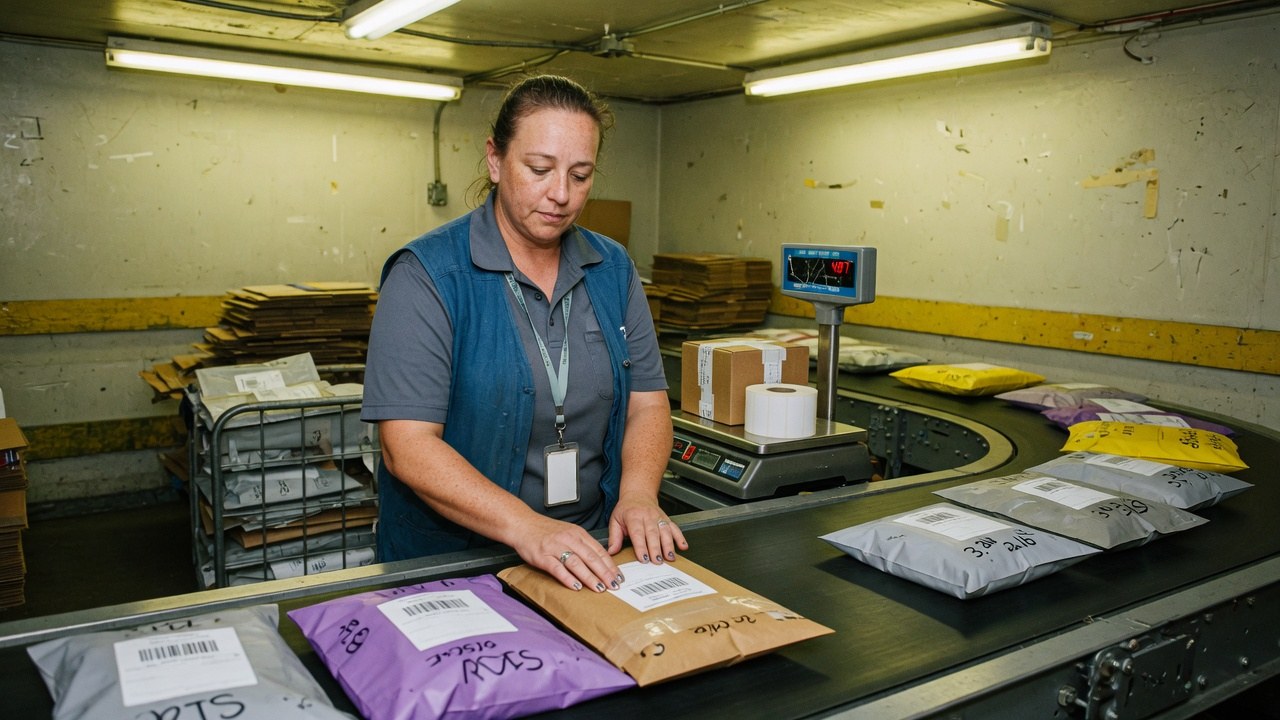
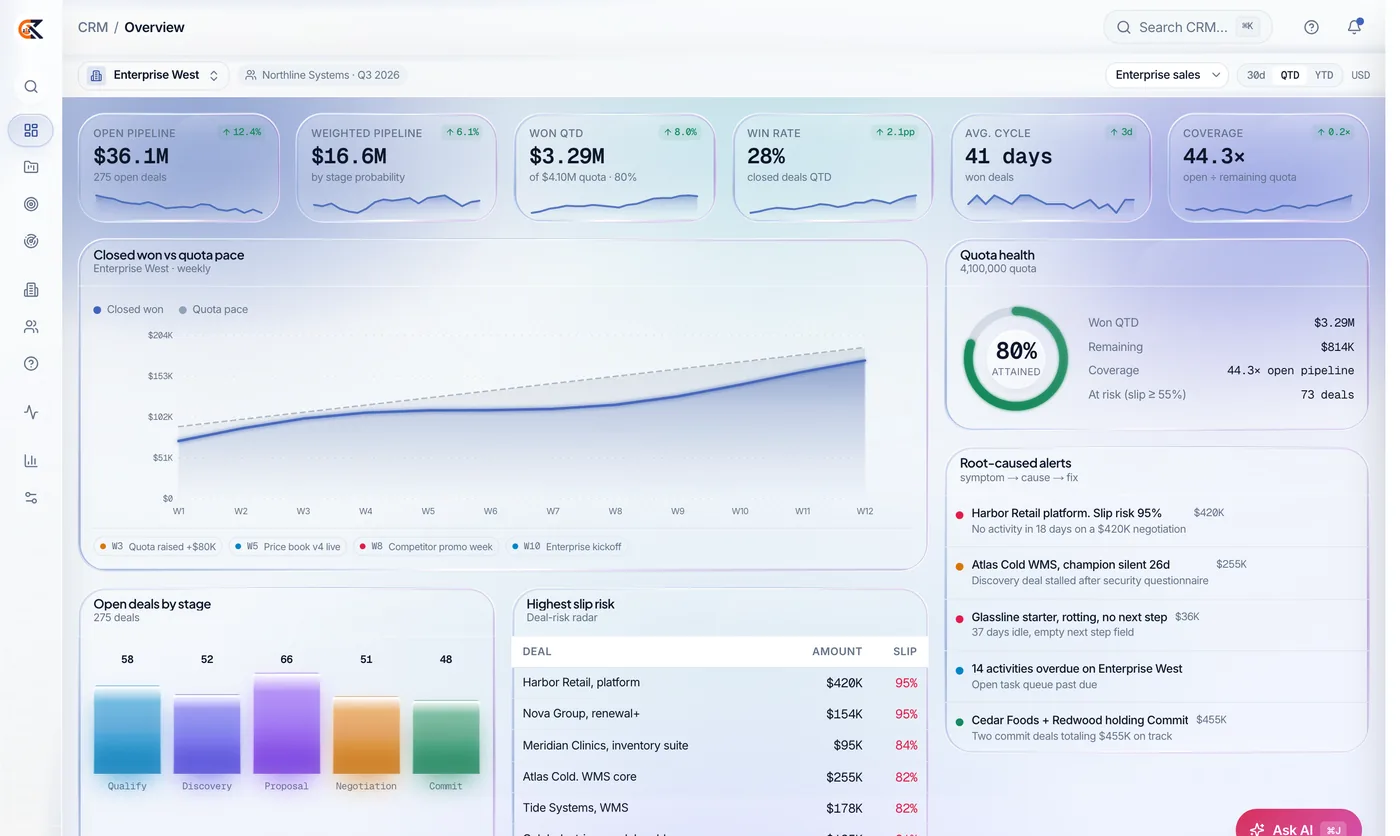
Harbor Retail Group40 stores · POS, CRM, Desk on one record

Programs in motion

Operators across retail, logistics, services, foodservice, finance, and marketplaces.

Harbor RetailNorthlineAtlas ColdCedar FoodsMeridianKeystoneLattice SINorthwind Consulting
6full-depth scenarios
132products, one login
4 wkstypical pilot window
0mockups on product pages
132 products1 loginLive software on every product page

In the work

From the register to the wallboard to month-end

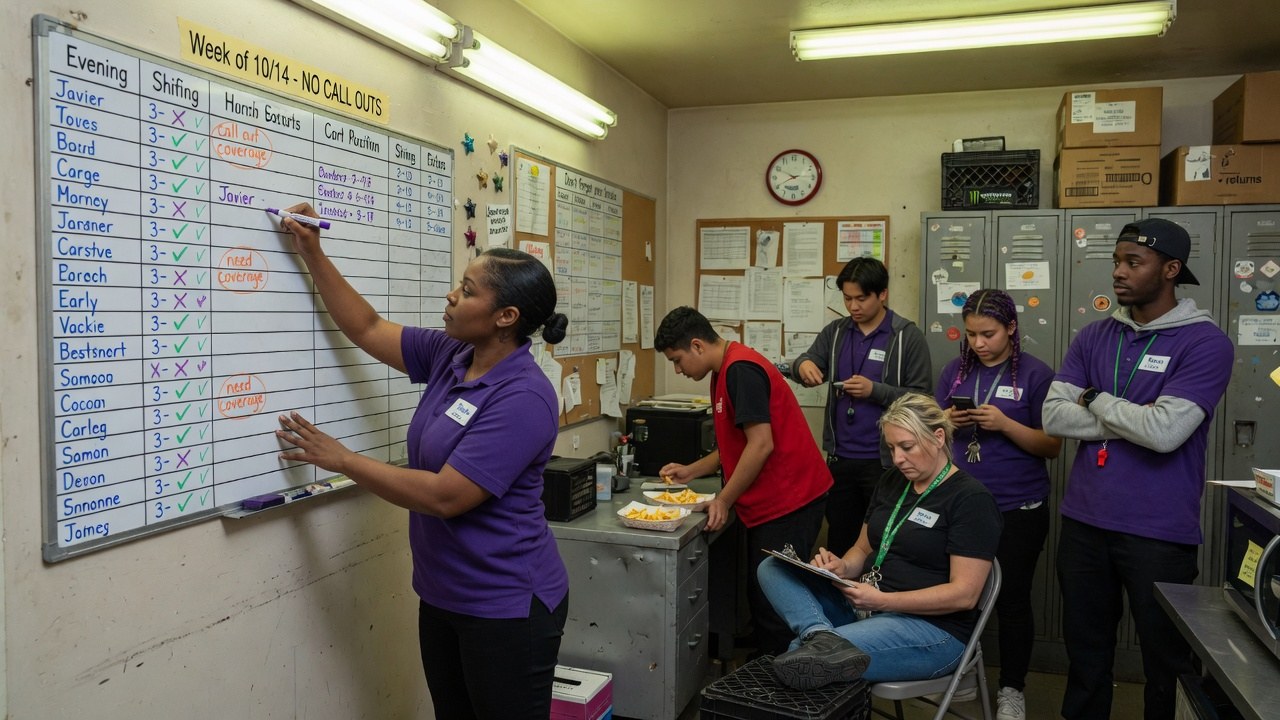
CEDX sits where operators already work - sales floor, service queue, and close desk - on one login.

Engagement model

How teams adopt the estate

Same sequence for a 40-store retailer or a multi-entity SaaS finance team. Scope is written before software is configured.

Estate map

Identity, products in scope, systems to retire, success metrics signed by sponsor and operators.

Pilot pod

One region or one motion live on the real apps — not a sandbox-only demo.

Rollout + hypercare

Wave plan, training on the live product, weekly metrics until the number is trusted on Friday.

Featured scenarios

Full-depth rollouts by industry

Each scenario covers footprint, challenge, change, results, timeline, and products. Open any product live from the story.

By motion

Where the estate lands first

Most programs start with one motion, then expand. These are the common entry points.

Revenue

CRM, pipeline, quotes, and commissions for teams that sell complex packages.

Service

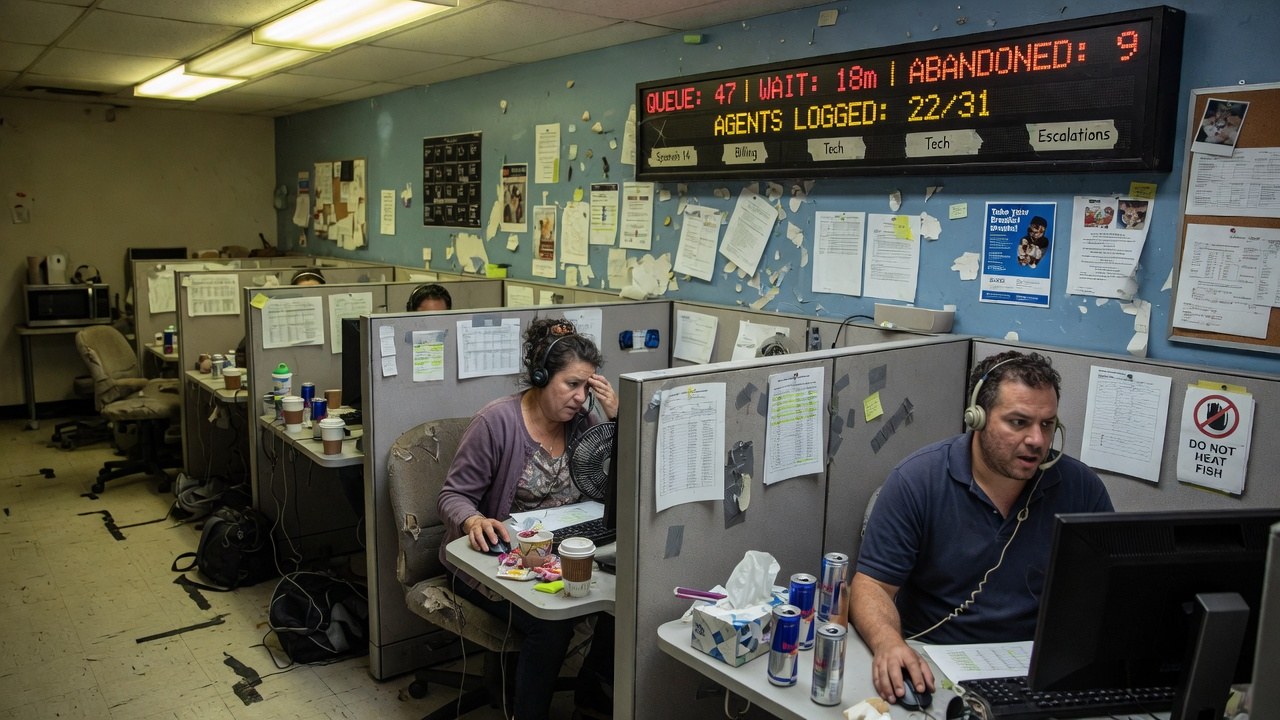
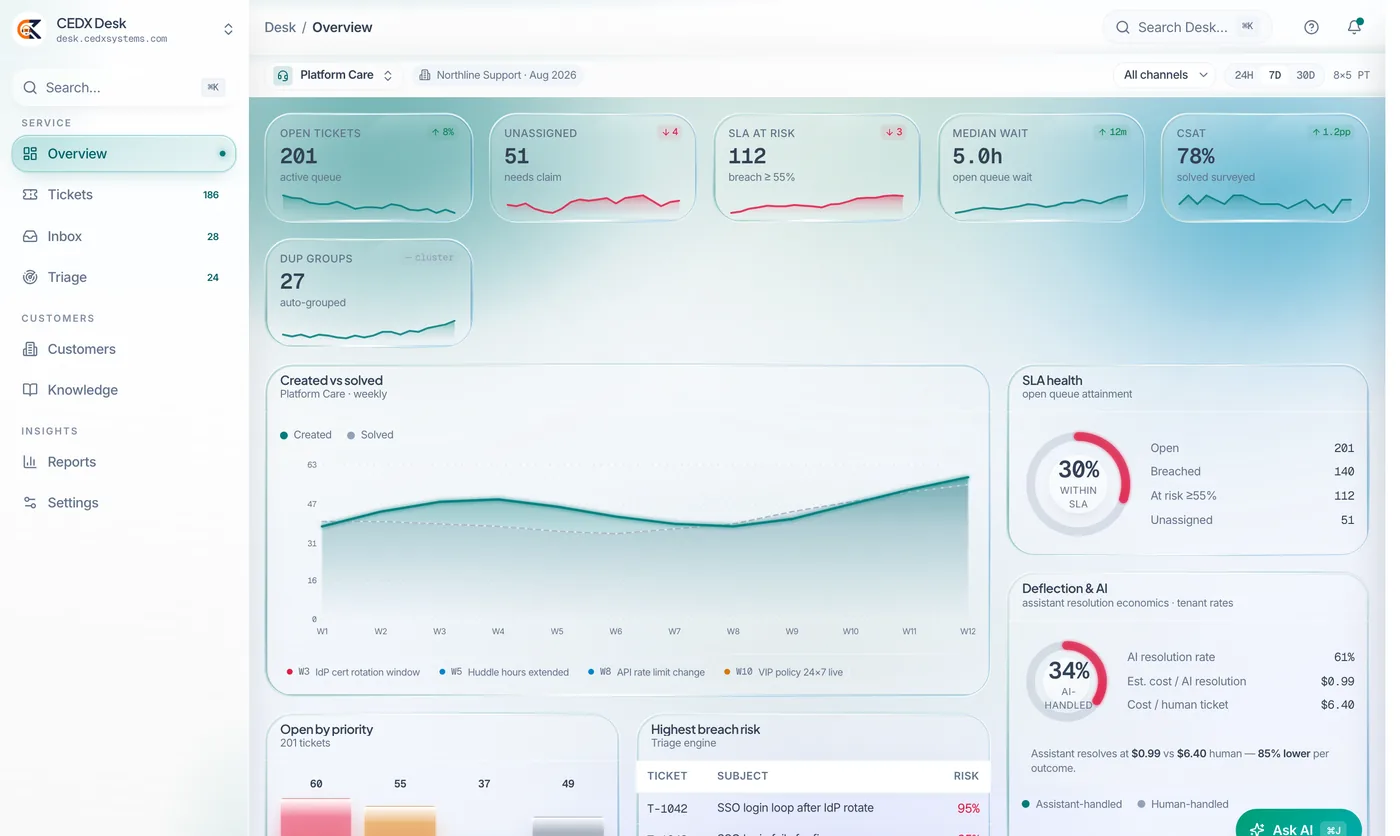
Desk, field, voice, and knowledge for queues that cannot wait for a weekly export.

Finance

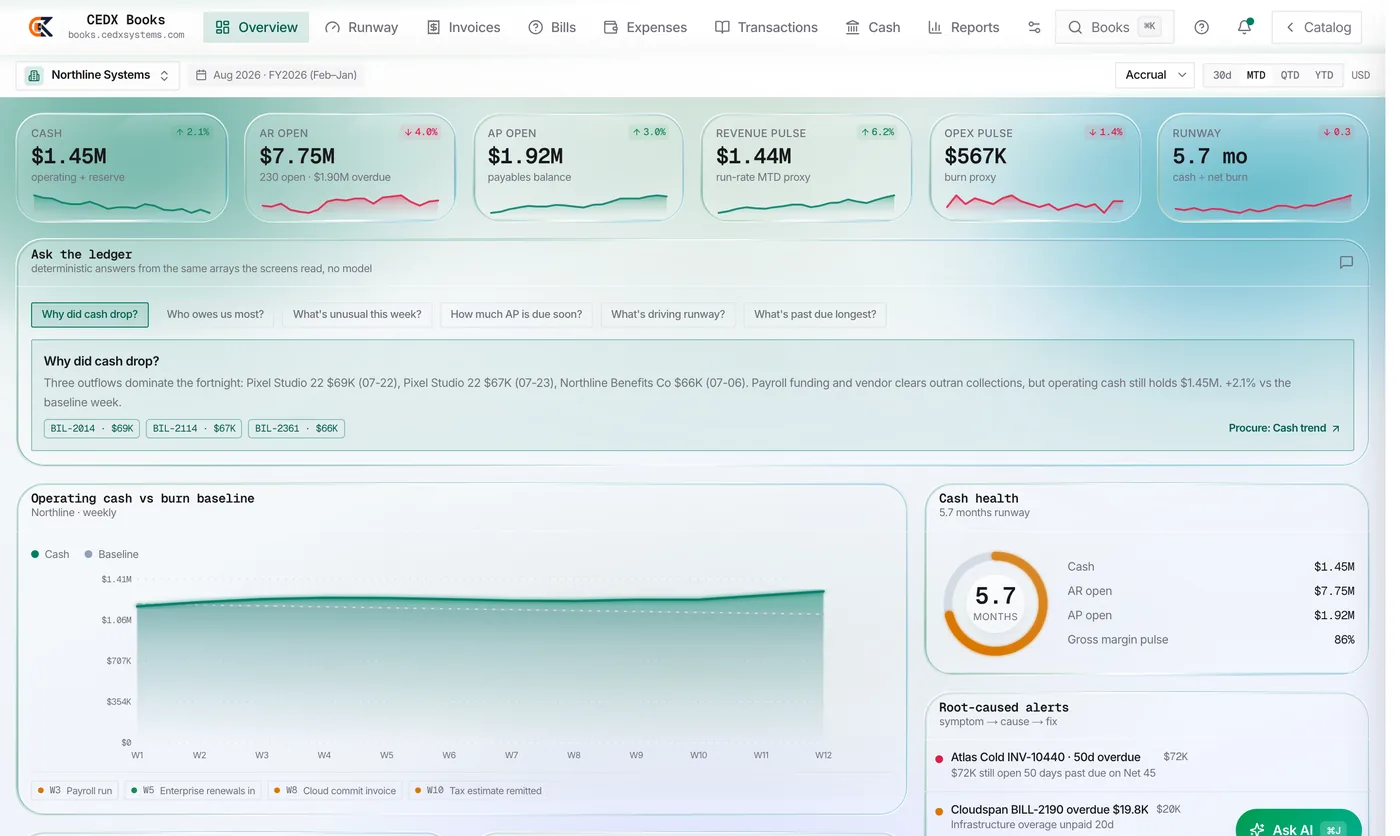
Books, revenue, subscriptions, and tax when close cannot be a heroics contest.

Commerce

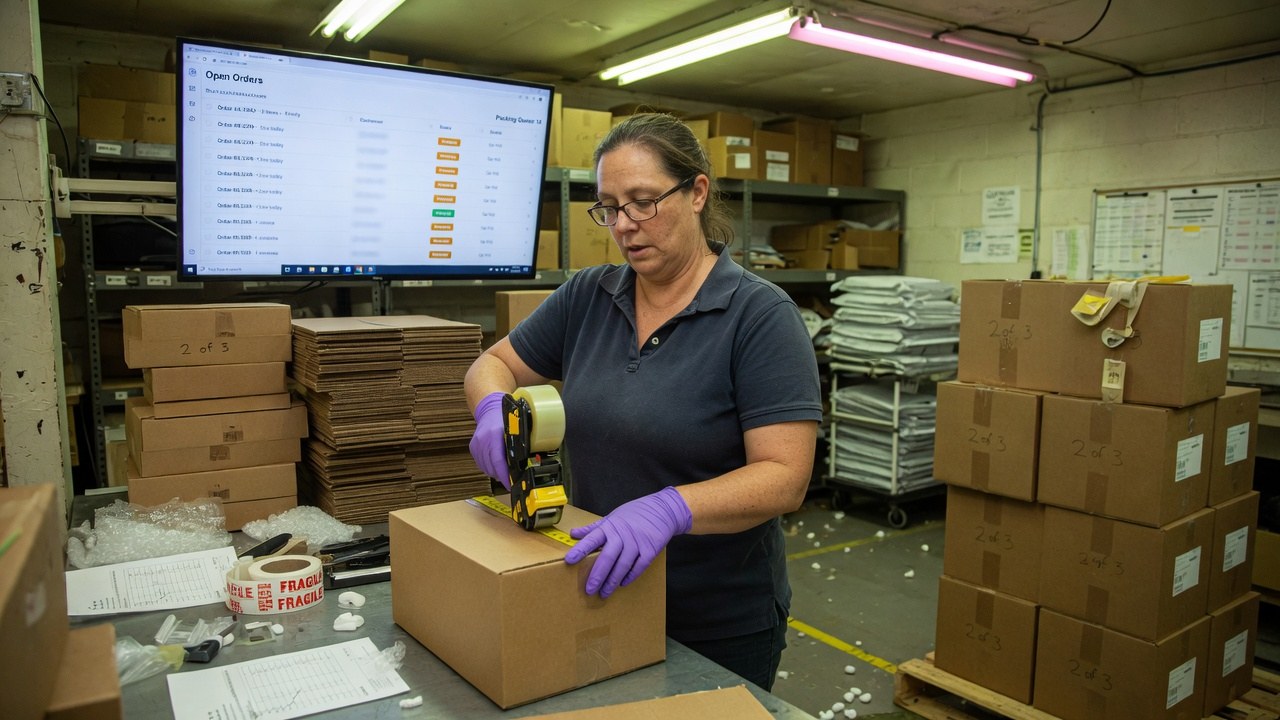
Catalog, orders, payments, and marketplace when channels share one stock truth.

How to read these pages

Illustrative scenarios, live software

Scenarios are composites built on demo tenants in the shape of real rollouts. Product embeds on CEDX pages are the running apps — not mockups.

  • Each scenario lists products, footprint, challenge, change, results, and timeline.
  • Metrics are scenario targets used in pilot design, not third-party audited claims.
  • Named public case studies publish as programs close and customers approve.
  • You can open the same product family from every story via /app/{slug}.

Evaluation teams

What procurement and IT usually ask

Bring these to the estate map call so the conversation stays concrete.

Security & identity

One identity plane across products. Entitlements and audit on the same estate. SSO and lifecycle patterns discussed in the map - not a slide appendix.

Data & migration

What moves first, what stays read-only, what retires. Customer graph ownership is written before import jobs run.

Operating model

Who owns config, who owns training, who owns the weekly metric review through hypercare.

Commercial

Products in pilot vs expansion waves. Partner vs CEDX-led delivery. Success criteria that trigger wave two.

Comparison frame

Estate vs best-of-breed glue

Point tools optimize their own screen. The estate optimizes the handoff.

ConcernPoint-tool stackCEDX estate
Customer truthMultiple IDs, nightly sync jobsOne customer graph
Login surfaceSix passwords, six partial UIsOne login across products
EvaluationMockups and decksLive product on every page
ExpansionNew vendor, new integrationAdd a product on the same estate
Friday realityExports and side spreadsheetsOperators stay in the live system

How to read scenarios

Illustrative depth with live links

Scenarios are composites on demo tenants shaped like real rollouts, with metrics as pilot design targets rather than third-party audited claims. Named public case studies publish when programs close and customers approve.

Each scenario covers footprint, challenge, change, results, timeline, roles, risks, and a ninety-day playbook shape. You can open matching products live from every story instead of trusting a PDF alone.

Engagement model is estate map, pilot pod on production-shaped config, then rollout with hypercare until Friday numbers are trusted. Sponsors and operators are named before configuration starts because vague ownership kills pilots.

Bring security, migration, operating model, and commercial wave questions to the estate map with a draft retire list. Vague success criteria are the most common reason enterprise programs fail after a successful demo.

Motions and industries

Where programs usually start

Revenue motions land CRM, pipeline, quotes, and commissions for teams selling complex packages. Service motions land Desk, field, voice, and knowledge for queues that cannot wait for weekly exports.

Finance motions land Books, revenue recognition, subscriptions, and tax when close cannot be heroics. Commerce motions land catalog, orders, payments, and marketplace when channels must share stock truth.

Harbor, Northline, Atlas, Cedar, Meridian, and Keystone cover retail, services, cold-chain logistics, foodservice wholesale, multi-entity finance, and multi-seller marketplaces. If you do not see yourself, bring the queue design anyway — the engagement sequence still holds.

Wave two expands on one identity plane rather than adding a new vendor and a new integration job for every adjacent need. That is the commercial point of the estate model versus best-of-breed glue.

Estate versus point tools

Handoffs are the product

Point tools optimize their own screen; nobody optimizes the handoff where operators invent spreadsheets. Multiple customer IDs and nightly sync jobs create Friday arguments about which export is less wrong.

One customer graph and one login shrink reconciliation and make entitlements auditable. Evaluation on live software removes the mockup universe that dies after signature.

Expansion adds a product on the same estate instead of a new vendor with a new partial truth. Operators stay in the live system on Friday rather than rebuilding board packs from three CSVs.

Ask vendors to open three apps on one user and follow one customer record end to end. If they cannot, you are buying glue work regardless of how polished the feature matrix looks.

Next step

Estate map conversation

Thirty minutes: products in scope, systems to retire, three pilot metrics, owners for sponsor and operators. Leave with a written map, not only a recording of a tour.

Choose CEDX-led, partner-led, or hybrid delivery using the directory when implementation muscle is needed. Partners appear after approval with quality review; listings are not paid ranking.

Open Academy for work design modules before config sprints begin. Open the catalog for live product truth on every surface in scope.

When ready, book contact with the map draft attached or summarized in the form fields. Serious evaluation looks like operators in the room, not only procurement and a slide deck.

Pilot design detail

What gets written before config

Every serious pilot writes three metrics that operators and sponsors both understand, a retire list of systems and spreadsheets that must die, and named owners for business outcome and day-to-day use. Without those artifacts, configuration becomes an expensive workshop series with no definition of done.

Data migration needs an authoritative source for the customer graph, a freeze window, and acceptance tests operators can run cold. Double-write periods should be short and explicit; open-ended dual systems recreate the glue stack you are paying to leave.

Training uses the live product, not a parallel slide deck of screenshots that age out between wave one and wave two. Academy modules exist so the work design is taught before admin settings multiply.

Hypercare is a time-boxed period with weekly metric reviews until the Friday number is trusted without a side export ritual. Exit criteria are written at the start; infinite soft launch is how programs never end and never succeed.

Wave two criteria should be known before wave one starts: which product family, which region, which success gate unlocks budget. Surprise expansions without identity planning recreate multi-vendor sprawl under one logo.

Roles in a successful program

Sponsor, operators, partner, CEDX

Sponsors own the business outcome and unblock decisions when operators disagree about process. Operators own the queue design and the weekly ritual that keeps data honest; software cannot replace that ownership.

Partners own configuration quality under their SOW, training delivery, and hypercare staffing unless the joint plan says otherwise. CEDX owns platform behavior, identity contracts, and account administration; do not confuse platform defects with delivery choices.

Security and IT own access patterns, audit requirements, and integration standards that must not reintroduce shadow customer graphs. Bring them to the estate map early; late security review is how go-lives slip.

Finance owns close definitions and metric definitions when money metrics are in the pilot success set. Revops owns stage definitions when forecast metrics are in the set; service leaders own SLA definitions when queue metrics are in the set.

When RACI is fuzzy, every incident becomes a blame meeting. Write RACI into the pilot charter and keep it visible in the war room that should not need to exist after hypercare. Clear ownership is a feature of the program, not paperwork theatre.

Metric integrity

Friday numbers that board packs trust

Scenario metrics on this site are pilot design targets used to shape programs, not third-party audited claims. Your pilot metrics should be measurable in the live system without a hero analyst rebuilding a spreadsheet every Thursday night.

Forecast metrics fail when stages mean different things to different sellers; write stage exit criteria before you ask CRM to produce a wallboard. Close metrics fail when customer IDs disagree across books and CRM; fix identity before you hire temporary accountants.

Service metrics fail when tickets lack context and jobs bounce between radio, paper, and chat; design the job record before you buy more headcount for the queue. Commerce metrics fail when inventory promises differ by channel; establish catalog and stock truth before the next promo.

Review metrics weekly in hypercare with the same people who will own them in BAU. If a metric only moves when a consultant is in the room, it is not a metric — it is a performance.

Board packs should export from the same graph operators use; if the board pack requires three CSVs, the pilot is not done. Boring single-graph exports are the goal.

Risks and anti-patterns

How estate programs fail

Shadow spreadsheets reappear when systems disagree; if the pilot allows dual sources of truth indefinitely, the spreadsheet wins. Kill the dual path on a written date or admit you bought another integration project.

Tool sprawl after a successful pilot happens when wave two adds a point tool instead of an estate product on the same identity plane. Govern expansion through the same estate map discipline as the first motion.

Training debt accumulates when enablement uses screenshots from two versions ago or when only champions were trained. Train the queue, not only the project team; use live apps and Academy checklists.

Partner and CEDX ownership confusion creates ticket ping-pong; write RACI and severity paths before go-live. Customers should know who to call for config versus platform without a treasure hunt.

Procurement-only evaluation without operators produces demos that impress and pilots that stall. Put operators in the room for the estate map and for the first metric review; their objections are the product requirements.

Industries

Where these scenarios come from

Retail & wholesale

POS, inventory, CRM, and desk on one record - Harbor-shaped programs.

Field & logistics

Jobs, parts, voice, and SLA wallboards - Atlas-shaped programs.

B2B services

Quote-to-cash on one graph - Northline-shaped programs.

Multi-entity finance

Close and rev-rec with CRM truth - Meridian-shaped programs.

Marketplaces

Sellers, payouts, support - Keystone-shaped programs.

Your motion

If you do not see yourself above, bring the queue design to the estate map.

FAQ

Before you book a call

Straight answers for evaluation teams.

How should I read these scenarios?

They are illustrative composites built on live demo tenants, written in the shape of real rollouts. Named case studies publish as programs close.

Can we get a reference call?

Yes for qualified opportunities. Sales matches industry and product footprint.

What is in each scenario?

Spec panel, challenge, change, results, rollout timeline, products used, and operator quote.

Do you cover every industry?

First wave: retail, logistics, B2B services, foodservice, multi-entity finance, and marketplaces. More ship as programs land.

How long is a typical pilot?

Four to eight weeks for one motion, depending on data migration and training load.

Do you implement directly or through partners?

Both. Many programs use consulting partners from the directory; CEDX can lead or co-deliver on complex estates.

Map your queue to the live estate

Thirty minutes. We align products to your motion and write pilot success criteria before anyone logs in.