General ledger, AR and AP subledgers, revenue schedules
and statements: multi-entity, accrual or cash, on the customer record
CRM and Desk already write to.
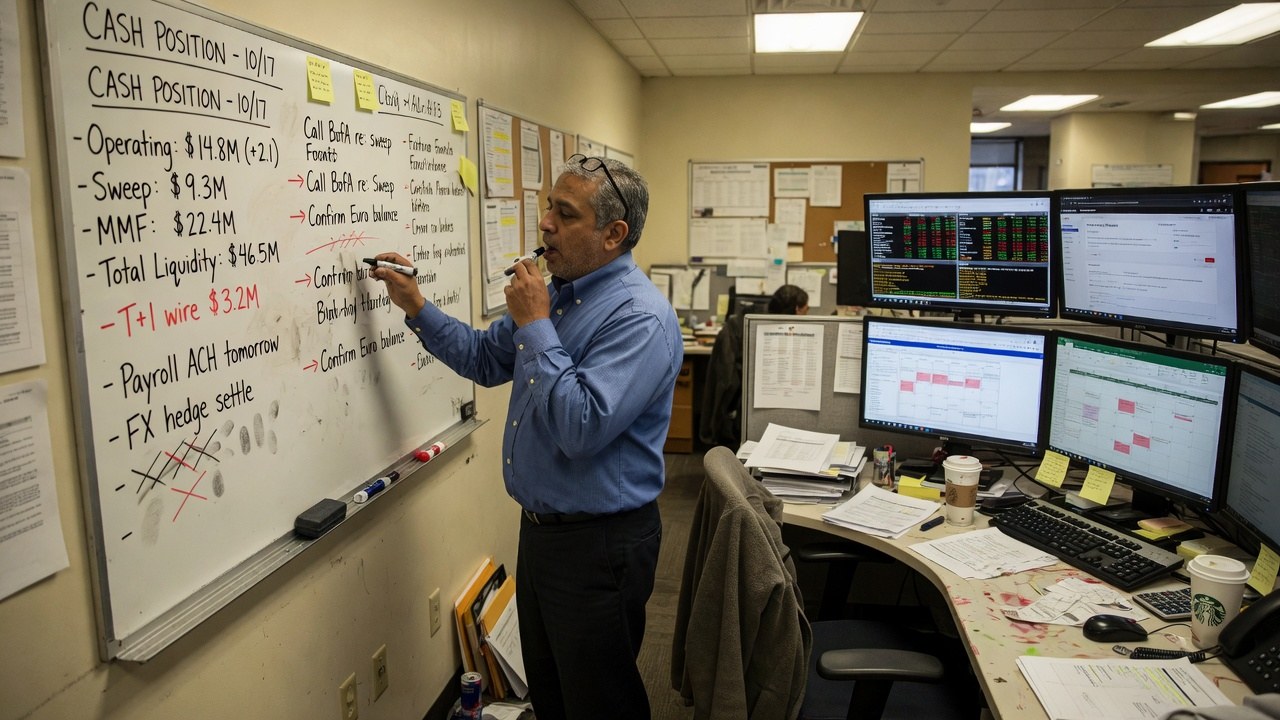
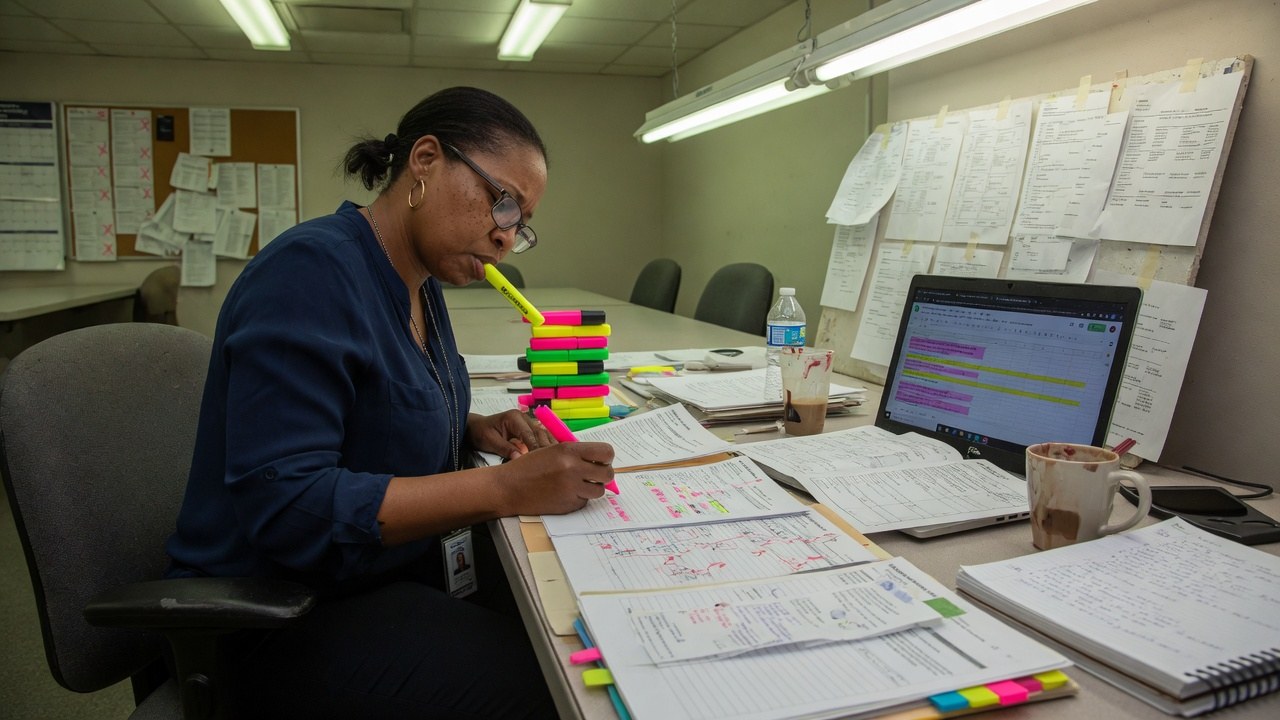
Every finance team has a surface like this one: the board, the spreadsheet, the one analyst's laptop. It exists because the ledger, the bank and the customer record disagree, and somebody has to hold the real number in between.
books.cedxsystems.com, live build
Runs on demo data. No card, and no call before you can look at it.
Accrual or casha toggle in the header, not a migration
Multi-entityeach with its own fiscal year and close
One customer recordthe same one CRM and Desk write to
What it is
Three things a ledger has to get right.
It knows which entity you are in
Northline Systems on FY2026 running February to January is a switch in the header, not a second installation. Each entity keeps its own fiscal calendar, its own close and its own statements.
Entity switcher on every screen
Accrual and cash on the same toggle
30d · MTD · QTD · YTD from one control
books overview
AR you can work, not just read
An aging report tells you the problem exists. This is the list you actually chase from: filtered to overdue, sorted by balance, with the age of every line next to the customer who owes it.
Balance and age on every line
Filters and saved views that survive the reload
Export the current view, not a fixed report
books invoices
A forecast that shows its arithmetic
The simulator carries a panel headed “Why this is defensible”. It prints the weekly step it used (cash += collect×0.9 − netBurn/4.3) and names the live arrays each lever reads from. You can check it instead of trusting it.
The model is stated on the screen, not in a footnote
Levers priced one at a time
Same arrays the Invoices screen reads
books runway
Product tour
Four screens, captured from the running build.
Not a mockup and not a concept deck. This is what opens at /app/books.
books.cedxsystems.com
01 Overview
The number you open on Monday
Cash, AR open, AP open, revenue and opex pulse, runway, and underneath them root-caused alerts that name the invoice, the bill and the payroll run behind the movement.
Ask the ledger: answers off the same arrays the screens read
Operating cash against a burn baseline
AR aging and largest open invoices, on the same screen
02 Invoices
Every open balance in one list
320 invoices in books. $7.75M open AR, $1.90M of it overdue across 52 invoices. Number, customer, status, amount, balance, due date and age, sorted by whatever you are chasing today.
Open · Overdue · Paid · Draft · Partial
Search by invoice or by customer
CSV of the view you were actually looking at
03 Runway
A forecast you can argue with
Thirteen weeks projected against the do-nothing baseline, with seven levers each carrying its own cash impact: collect 10 days faster, chase all overdue this week, freeze non-committed marketing for 30 days.
Baseline trough and simulated trough side by side
Active impact totalled across the levers you switched on
Open cash jobs pulled from the same books
04 Cash
Reconciliation with a queue, not a mystery
Four accounts with auto-match on or off per account, 157 lines waiting in the match queue and 64 already reconciled. Unmatched counts sit on the account that owns them.
Balance against available, per account
Auto-matched this week, high-confidence pending
Match queue and reconciled as tabs, not as a report
Who runs it
Three people open this every day.
Roles, not references. We have no named customers yet, so
nobody in these photographs is quoted, credited or claimed as one.
Controller
Owns the close. Wants the checklist, the cutoffs and the entity calendar in one place instead of three.
Close checklist · per entity
AP and AR
Chases the money in and schedules the money out. Lives in the aging list, not the aging report.
$1.90M overdue · 52 invoices
Reporting and the board pack
Assembles the quarter. Wants the export to come from the numbers the dashboard has been showing all month.
One export story
The shape of it
What the demo books actually look like.
Every figure below is legible in the captures above. Nothing
here is a projection of your business. It is the state of the demo data.
$7.75Mopen AR230 invoices carrying a balance
$1.90Moverdue52 of the 320 invoices in books
157lines in the match queue64 already reconciled
5.7 morunway now19.4 months with two levers on
Thirteen weeks, simulated against do-nothing$1.45M today · $4.94M simulated end cash
$5.34M$4.00M$2.67M$1.33M$0
W1W5W9W13
Open AR, and the part that is late$7.75M open · $1.90M overdue
Overdue · $1.90M across 52 invoices
Open and current · the remaining $5.85M
Bank lines, matched and not157 queued · 64 reconciled
29%
Reconciled · 64 lines
In the match queue · 157 lines
The close
Month end, in the order it actually happens.
01
Capture
Invoices, bills, expenses and transactions land against the customer record CRM already created. Nothing is retyped at the boundary between two teams.
02
Recognise
Revenue schedules run off the contract, not off a spreadsheet that one person maintains and nobody else can open.
03
Close
A checklist with owners and cutoffs, per entity, on that entity's own fiscal calendar rather than a shared one.
04
Report
Statements and the board pack export from the same numbers the dashboard was showing all month.
One record
The reconciliation worth skipping is the one between your own teams.
Books is not a finance silo with a connector bolted onto it.
It reads the customer record the rest of the estate writes.
Finding this out on the third call is worse for you than
reading it here, and worse for us.
Books is not generally available. What opens today is the live build running on demo data. The Cash screen says “demo balances · nothing live” on the screen itself.
We have no named customers to show you, so this page shows none. The companies in the captures are the software's demo data, not references.
No audit or compliance certification has been issued for Books. What we can evidence about hosting, encryption and access is on the security page.
Bank connections in the capture are demo feeds. Live institution connectivity is scoped per pilot; it is not switched on by signing up.
Multi-currency exists as a display control today. Full functional-currency translation is not something we are claiming yet.
Payroll is not part of Books. It arrives as a bill and a cash movement like anything else.
Yes. Every screenshot is a capture of the running build and you can open the same build at /app/books. It runs on demo data, which the Cash screen states on screen rather than in a disclaimer.
Can we run more than one entity?
Yes, and not as an add-on. Each entity carries its own fiscal calendar (the capture shows FY2026 running February to January), its own close checklist and its own statements.
Do we have to replace our general ledger on day one?
No, and most pilots do not. Starting on AR, or on revenue schedules alongside an existing ledger, is a normal way to arrive. The estate map is where that sequence gets decided.
How is the runway forecast calculated?
It prints the arithmetic on the screen. The “Why this is defensible” panel states the weekly step and names the live arrays each lever reads from, so the number can be checked rather than believed.
What happens to our accountant?
Nothing. Books exports the view you are looking at, and the close is designed to produce one export story instead of six that have to be reconciled to each other first.
Is Books audited or certified?
No certification has been issued. What we can evidence about hosting, encryption, tenant isolation and production access is written up on the security page.
The ledger is running. Go and look at it.
Live build, demo data, no card. Then tell us which entity you would put
on it first.