 CEDX
CEDX





Finance · Blog
Same-day close is a product choice
Books and CRM on one customer graph, and what that forces in the company.
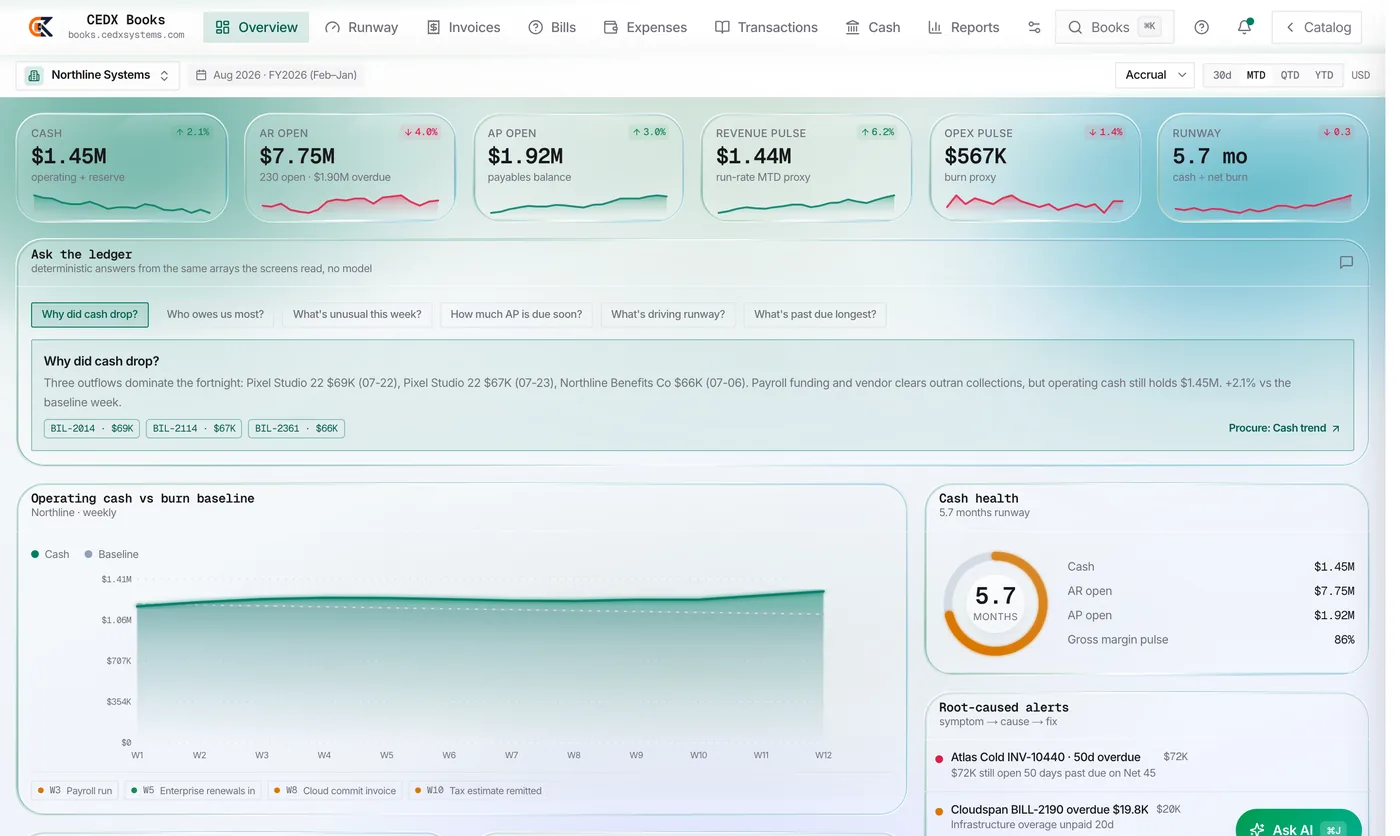
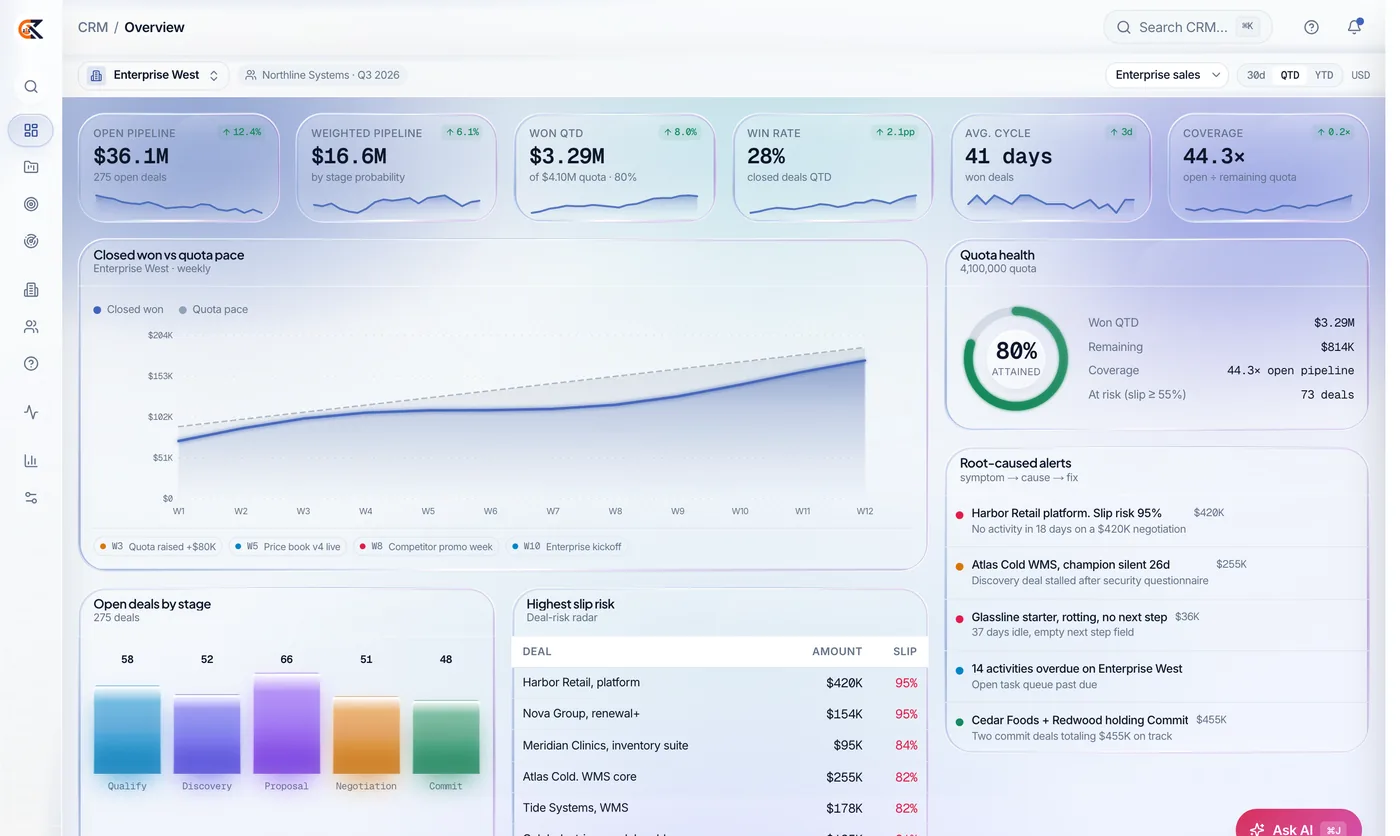
Close is slow when finance and sales disagree about who the customer is. The board pack becomes a negotiation, not a report. Controllers rebuild schedules in private models because the CRM cannot be trusted as a contract source and the billing tool has a third ID for the same logo that legal uses in the MSA.
When Books, Revenue, and CRM share identity, reconciliation shrinks. ASC 606 schedules sit on contracts sales actually closed, not a shadow model on a laptop that only one person understands and that person is on leave during audit week when the binder is due.
Same-day close is not a heroics contest and not a careers-page slogan. It is a product and process choice: one customer graph, clear owners, cutoffs people respect, and a checklist that does not depend on tribal knowledge whispered in Slack at eleven at night while the warehouse still ships.
Multi-entity reality still hurts if intercompany and eliminations are undefined. Academy accounting modules and Meridian-shaped scenarios exist so the work design is written before config. Software cannot invent governance you refused to name in the estate map, and headcount cannot invent a shared customer ID after the fact.
Audit packs get simpler when exports tell one story. Three CSV exports that almost match are not controls. They are an invitation to rework and to quiet arguments about which file the auditor should trust. Single-graph exports are boring in the best way: the kind of boring boards prefer.
Retail close and finance close rhyme. Harbor-shaped programs need store truth that matches HQ. Meridian-shaped programs need contract truth that matches revenue schedules. Both fail when the customer graph is a nightly job with exceptions nobody triages until the exception list is longer than the close checklist.
If your close still requires a war room every month, map the seams before you hire more temporary accountants. Headcount cannot fix divergent customer IDs. Temporary staff can only rebuild the same wrong pack faster and leave you with the same argument next month.
Start with the Meridian scenario for long form, the accounting Academy track for checklists, and the Books and Revenue product pages for the live software. Bring your chart of accounts pain and your CRM stage definitions to the estate map. Leave with owners and a retire list, not another slide that promises next quarter will be different.
Close speed is a lagging indicator of identity and process clarity. Faster close with divergent customer IDs is usually faster fiction, not faster truth.
Controllers should demand that rev-rec schedules point at contracts sales actually closed in the same system of record. Side models create heroes and single points of failure.
Multi-entity close needs entity maps and intercompany rules written before volume. Software will not invent governance you refused to name in the estate map.
Retail and wholesale close rhymes with SaaS close: store or channel truth must match HQ truth. Harbor-shaped programs and Meridian-shaped programs fail in the same place (disagreeing identities) even when the UI looks different.
If temporary accountants are a recurring line item every quarter, treat that as an architecture smell. Headcount is compensating for seams.
Keep going
Related posts
Finance
From the same estate as the product pages
If this essay points at a product, open the live app, not a parallel mockup universe.
Takeaways
What to do with this essay
Evaluate
Open three live apps on one user and follow one customer record.
Pilot
Write three metrics and a retire list before config sprints.
Partner
Use path pages and tiers if you sell or implement the estate.
Take this into a pilot conversation
Books and CRM on one customer graph, and what that forces in the company.