Prep turns recurring operations (month-end close, evidence collection, deploy checklists) into templated runs with owners, due dates and sign-offs, and it puts the blocking step in a column called Stuck step.
The Active queue's most honest column isn't Status. It's Stuck step: AP aging exceptions, exception approvals, control sample pull. Blockers you can read are blockers you can clear.
prep.cedxsystems.com, live build
Runs on demo data: the Ops Readiness workspace and the 2026-08-05 board date are the demo seed.
320 runs on the board197 open · 116 complete · 60 past SLA
18 runbook templates11 critical, with required proof
16 sign-offs pendingthe blockers, counted on the overview
What it is
Operational memory, with a pulse.
Templates are versioned operations
18 templates carry steps, version, SLA, run counts and done-percent on every row: Month-end close prep on v2.4 with 18 steps and a 3.0-day SLA. Source is declared per template: authored, AI-generated, or captured from a recording.
Steps, version and SLA on every row
Source: authored, AI-generated, captured from recording
Done % computed from the runs themselves
prep: screen-2
The stuck step is a column
The Active queue lists 130 runs with the blocking step spelled out: RUN-2380 Month-end close prep sits overdue at 61% on “AP aging exceptions”; RUN-2410 Payroll pre-run validation waits on “Exception approvals” at P0.
Stuck step named on every active run
Priority P0 to P2 next to the blocker
31 runs waiting on something external or an approval
prep: screen-4
Risk is scored before it's late
The overview scores completeness risk per run (six runs at 95%) and counts 60 runs past SLA, 16 pending sign-offs and an average risk of 54%. Alerts arrive root-caused: RUN-2380 is past SLA with four delayed steps, and the alert says so.
60 overdue, 16 sign-offs pending
Highest completeness risk table, scored per run
Root-caused alerts: symptom, cause, run id
prep: overview
Product tour
Four screens, captured from the running build.
Not a mockup and not a concept deck. This is what opens at /app/prep.
prep.cedxsystems.com
01 Overview
The readiness board, not a status meeting
130 active runs, 197 open, 60 overdue, 116 complete. Run health reads 58% with the arithmetic beside it: 197 open runs at 34% average completion, 81 high-risk, 16 sign-offs pending.
SOC evidence collection: 16 steps, v1.5, 10-day SLA, 25 runs, 19 open, 24% done, marked AI-generated. Weekly backup restore drill: 6 steps, 12-hour SLA, captured from a recording. Drafts can be generated, then reviewed.
18 templates, 11 marked critical with required proof
SLAs from 6 hours to 10 days
Generate draft on screen, CSV export beside it
03 Runs
320 runs, filterable to the ones in trouble
All 320 runs with status, priority, done-percent, due date, team and owner. The tabs do the triage: All 320, Open 197, Overdue 60, Complete 116, and the overdue tab is the recovery list.
Tabs: All 320 · Open 197 · Overdue 60 · Complete 116
Done-percent bar on every row
Cancelled runs stay visible, at 28% done
04 Active
Where work actually waits
130 active runs with the stuck step named: Customer comms draft, Manager 30-day plan, Canary health gate, Security questionnaire review, Pack QA, Restore sample dataset. 31 are waiting on something external or an approval.
130 active · 31 waiting · 60 overdue
Average completion 52% across the queue
Filter chips: in progress, waiting, overdue
Who runs it
Three roles keep the board honest.
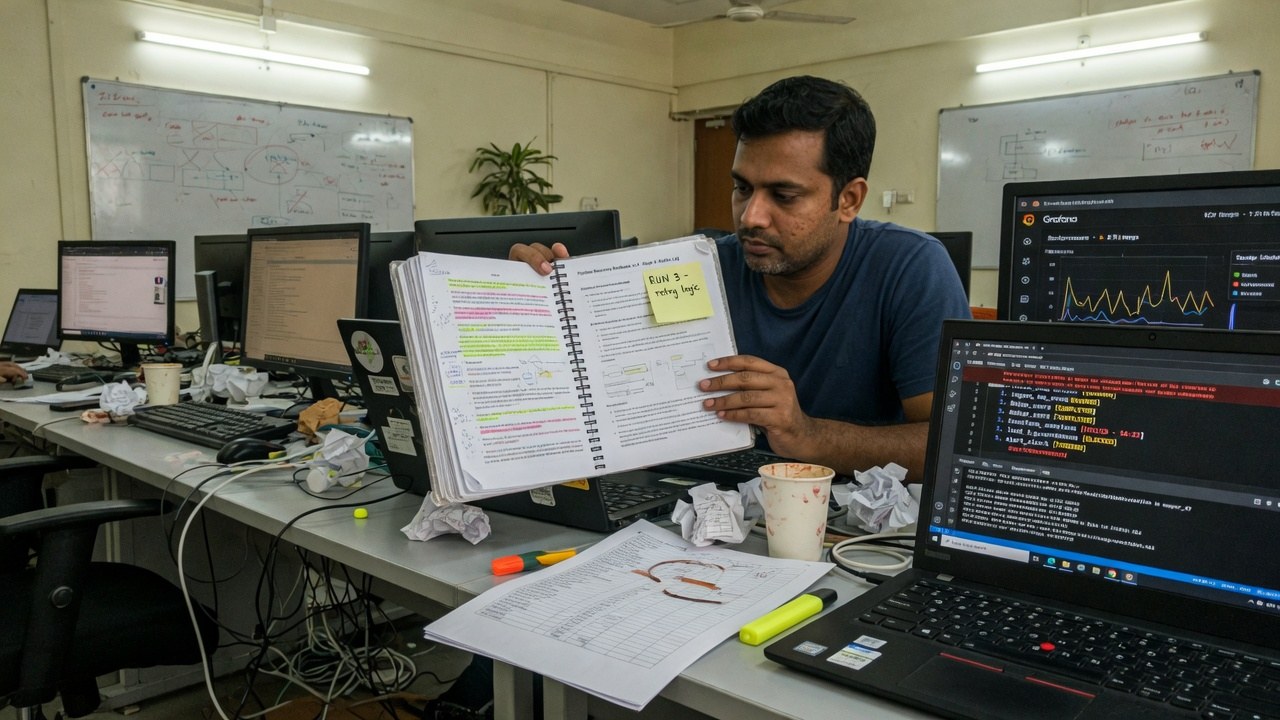
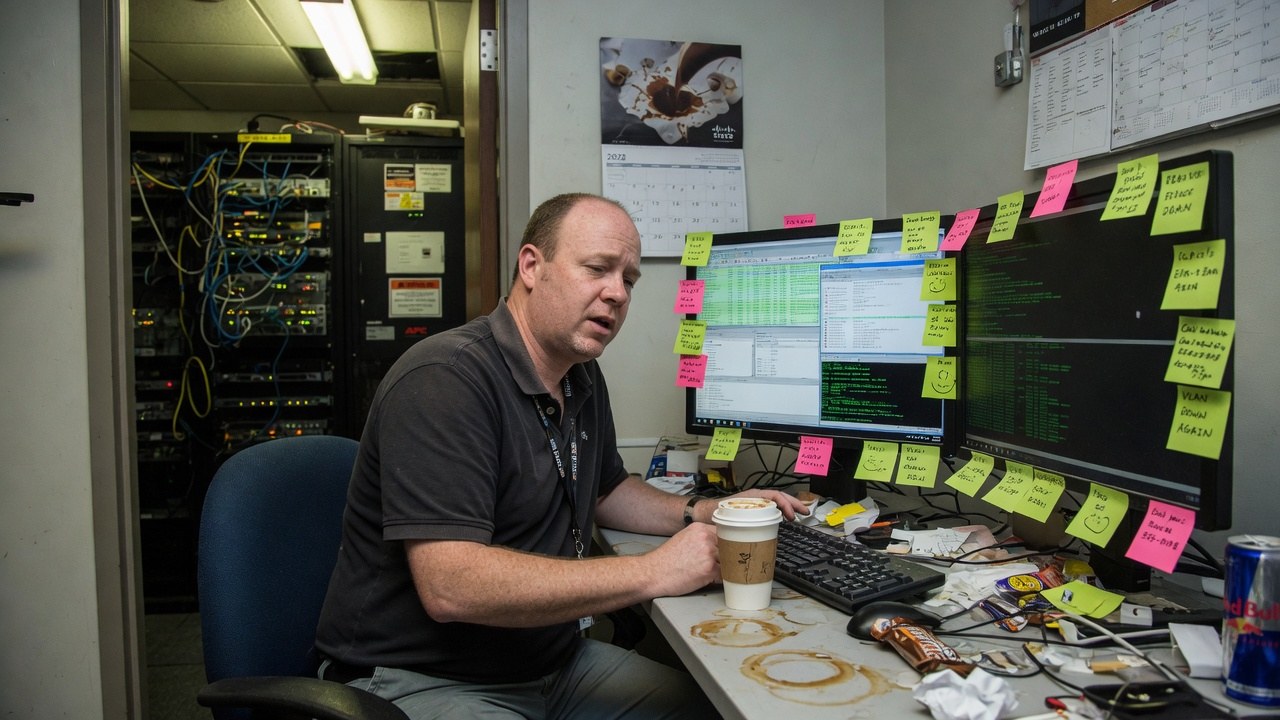
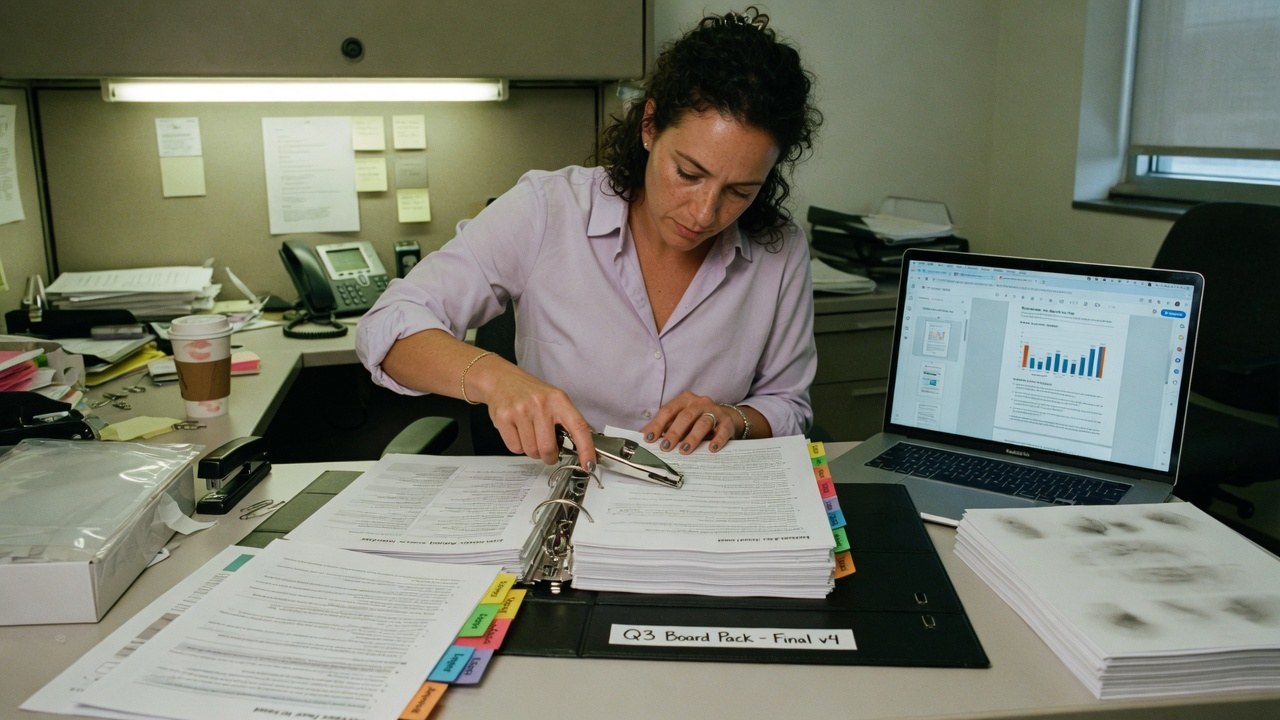
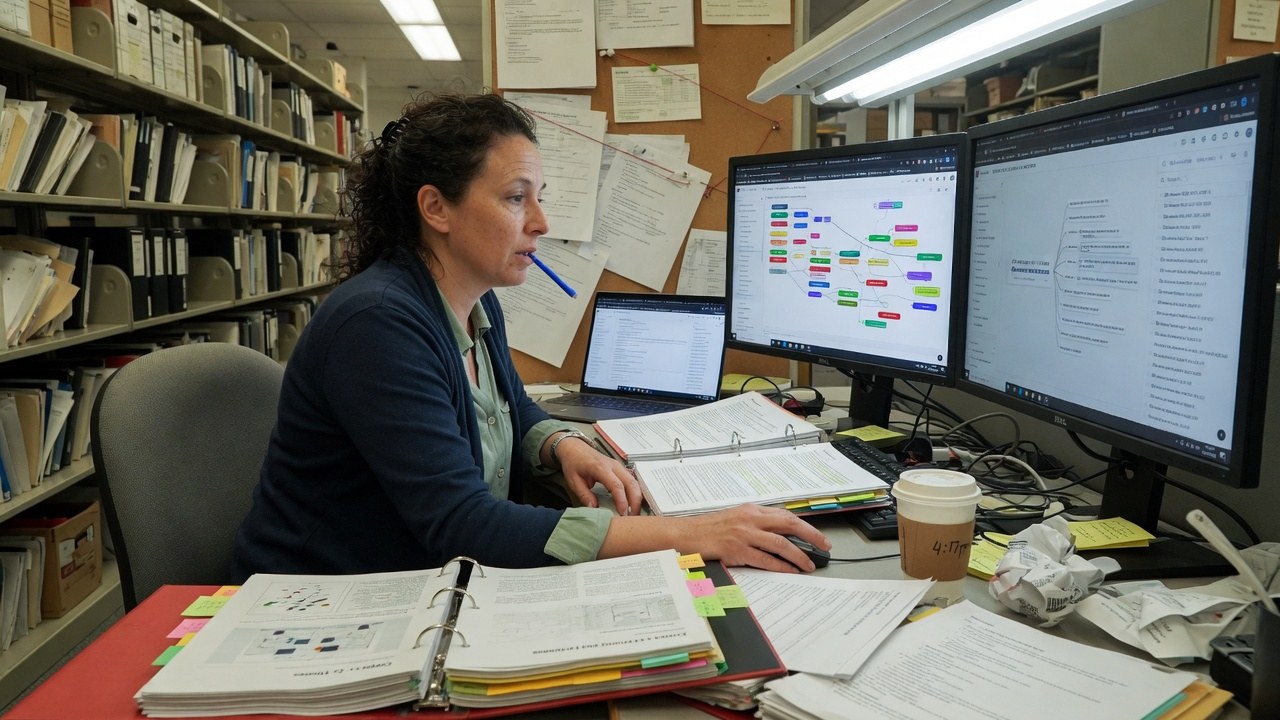
Roles, not references. We have no named customers yet, so nobody in these photographs is quoted, credited or claimed as one.
Operations readiness lead
Owns the queue: watches the 60 overdue runs, works the 31-strong waiting list, and reads the stuck-step column before the morning standup.
active queue · 130
Evidence and audit owner
Runs SOC evidence collection and control sample pulls: 16-step templates where a rejected sign-off sends the run back with the reason attached.
RUN-2372 · sign-off rejected
Template librarian
Maintains the 18-template library: versions steps, retires stale procedures, and keeps authored, AI-generated and captured sources clearly marked.
18 templates · 11 critical
The shape of it
What the demo board actually looks like.
Every figure below is legible in the captures above. Nothing here is a projection of your operation. It is the state of the demo data.
320runs on the board197 open · 116 complete
60runs past SLAneed recovery, per the tab
95%top completeness riskRUN-2380 month-end close prep
16sign-offs pendingblockers counted on the overview
Runs by status320 runs · the demo board's shape
Complete116
Not started67
In progress55
Overdue44
Waiting31
Cancelled7
Run healthopen queue vs completeness risk
58%
197 open runs · 34% average completion
Drag: 81 high-risk runs · 16 pending sign-offs
Critical templates demanding proof11 of 18 templates
Critical · 11 templates
Standard · 7 templates
How it runs
A run's life, in the order it actually happens.
01
Template
A procedure becomes a versioned template (authored, AI-drafted, or captured from a recording) with steps, SLA and required proof.
02
Launch
Runs spawn from templates with owners and due dates; 320 are on the demo board, 197 of them open.
03
Unblock
Each active run names its stuck step, so the queue reads as a list of blockers to clear rather than statuses to report.
04
Sign off
Critical steps require sign-off; a rejection returns the run with the reason: RUN-2372 went back for incomplete evidence.
One record
The runbook shares its state with the rest of the estate.
Prep is not a checklist app with an export button. Its runs, sign-offs and SLAs sit on the same record the data estate measures.
Finding this out on the third call is worse for you than reading it here, and worse for us.
Prep is not generally available. What opens today is the live build running on demo data: the Ops Readiness workspace on screen is the demo seed.
We have no named customers to show you, so this page shows none. The owner first names in the captures are demo people, not references.
Prep tracks runs and sign-offs; it does not execute the underlying work. It will not file payroll, run the deploy or restore the backup for you.
The completeness-risk percentages are the demo model's output, illustrative, not calibrated to your operation.
AI-generated templates are marked as such on screen; we do not claim they are expert-reviewed out of the box.
SOC evidence collection is a runbook, not an attestation. No audit or compliance certification has been issued; the security page has what we can evidence.
Yes. Every screenshot is a capture of the running build, and you can open the same build at /app/prep. It runs on demo data: the board date and workspace on screen are the demo seed.
What does “captured from a recording” mean?
It is the template's declared source: a procedure recorded once becomes steps. Weekly backup restore drill and Warehouse outbound release carry that label; authored and AI-generated templates carry theirs. The origin of a procedure is never hidden.
How does a run become overdue?
Each template declares an SLA: 6 hours for the deploy checklist, 3.0 days for month-end close. RUN-2380 passed its 3.0-day SLA with four delayed steps, and the overview raised a root-caused alert rather than just reddening a cell.
What happens when a sign-off is rejected?
The run goes back with the reason attached. RUN-2372 SOC evidence collection was rejected for incomplete evidence, and the rework alert names the run, the rejection and the missing proof.
Is Prep audited or certified?
No certification has been issued. What we can evidence about hosting, encryption, tenant isolation and production access is written up on the security page.
The board is running. Go and read the stuck-step column.
Live build, demo data, no card. Then list the three procedures your team re-learns every quarter.