Pay what you owe. once, on time, and not a dollar early.
239 open bills worth $4.76M, 88 already overdue at $1.44M, and 103 blocked from the pay run waiting on approval. Payables is the board that decides what gets paid, when, and which discounts are worth taking early.
The duplicate review board is the quiet hero here: 41 pairs open, $766K at risk if both sides get paid. The expensive mistakes are the boring ones.
payables.cedxsystems.com: live build
Runs on demo data. The bills screen marks its own auto-coded rows “pre-approved · GL matches vendor history”.
$4.76M open AP239 bills with balance · $1.44M overdue across 88
25 early-pay takes ranked$8.5K saving inside a $620K cash cap
48 duplicate pairs scanned41 open · $766K at risk if both sides paid
What it is
Three screens between a bill and a pay run.
Early-pay, ranked by actual saving
110 bills sit inside discount windows; the board recommends 25 takes worth $8.5K, each scored with face, saving, days left and terms. BILL-2476 saves $932 on $47K at 2/15 Net 45 with three days to spare. The cash-cap simulator proves the $620K it would use.
Take · Skip · Expired decision chips
Terms printed per row: 2/15 Net 45, 1/10 Net 15
Sim savings $8.9K across 37 takes under cap
payables: screen-2
Duplicates caught before they cost twice
48 pairs scanned by multiple signals; 41 remain open and three are high-confidence. The review board shows BILL A next to BILL B, BILL-2200 against BILL-2199 for SecureStack SaaS at $11K, with confidence, tier and the dollars at risk on the row.
3 high-confidence pairs · $766K at risk
Confidence score and High/Medium/Low tier per pair
Resolved pairs kept on their own tab
payables: screen-3
12% of the book runs touchless
41 bills worth $308K were auto-coded and approved without a human. Each row shows the GL suggestion with its confidence and the reason: “GL matches vendor history · PO referenced · invoice # captured”, or “auto-approved · under $5K threshold”. Every one has an undo.
GL code + confidence on every handled row
The why is printed, not logged away
Undo on every automated decision
payables: screen-4
Product tour
Four screens, captured from the running build.
Not a mockup and not a concept deck. This is what opens at /app/payables.
payables.cedxsystems.com
01 Overview
The pay side of the ledger, priced
Open AP $4.76M with $1.44M overdue across 88 bills, paid MTD $140K, and 103 bills blocked from the pay run waiting on approval. Alerts arrive priced: 41 duplicate pairs at $766K, and 5 vendors with recent bank-detail changes holding $189K of open AP.
Pay-on-time ring at 70
AP aging: nothing past 90 days in this book
Early-pay save $8.5K ranked this week
02 Bills
The register the pay run draws from
320 bills in the workspace with status from draft to paid. The touchless block sits at the top, above the rows still waiting on a person: 14 bills auto-coded and approved in this view, each with its GL suggestion, confidence and reason.
320 bills · $4.76M open · 88 overdue
Touchless 12% · 41 handled · $308K
Draft and overdue counts on the cards
03 Early-pay
Discount windows, worked in order
The ranked queue shows score, the take decision, face value and saving per bill: Bright Group $44K saving $872, Keystone LLC $34K saving $678. The cash-cap simulator runs the same list against $620K of available cash.
110 discount-eligible windows
25 recommended takes · $8.5K save
Ranked queue · cash-cap simulator · scoring model
04 Duplicates
The same bill, twice, stopped
Seven pairs sit on the review board right now worth $151K in view: SecureStack SaaS at $11K, Papertrail Print at $4.1K with near-identical amounts and a shared PO, Ridge Services at $20K. Open, high, medium and low chips filter the pile.
48 pairs scanned · 41 open
$766K at risk if both sides paid
Review board · signal model · resolved tabs
Who runs it
Three roles keep the pay run clean.
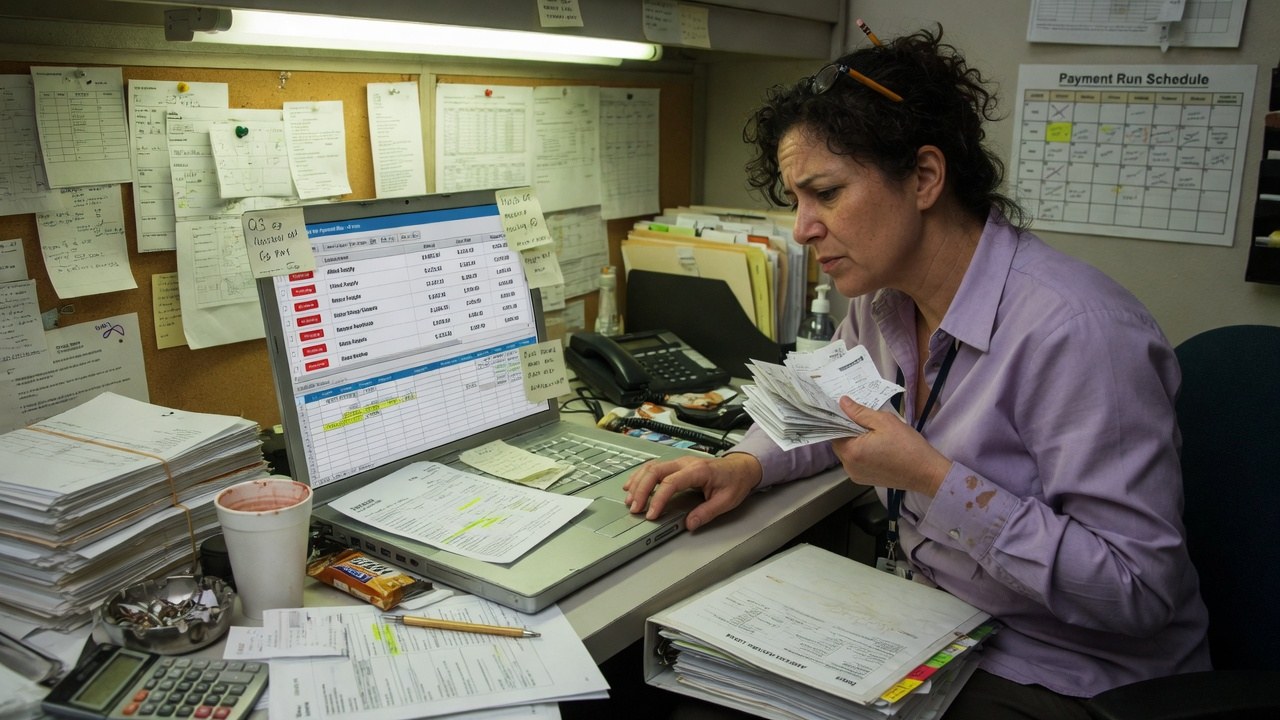
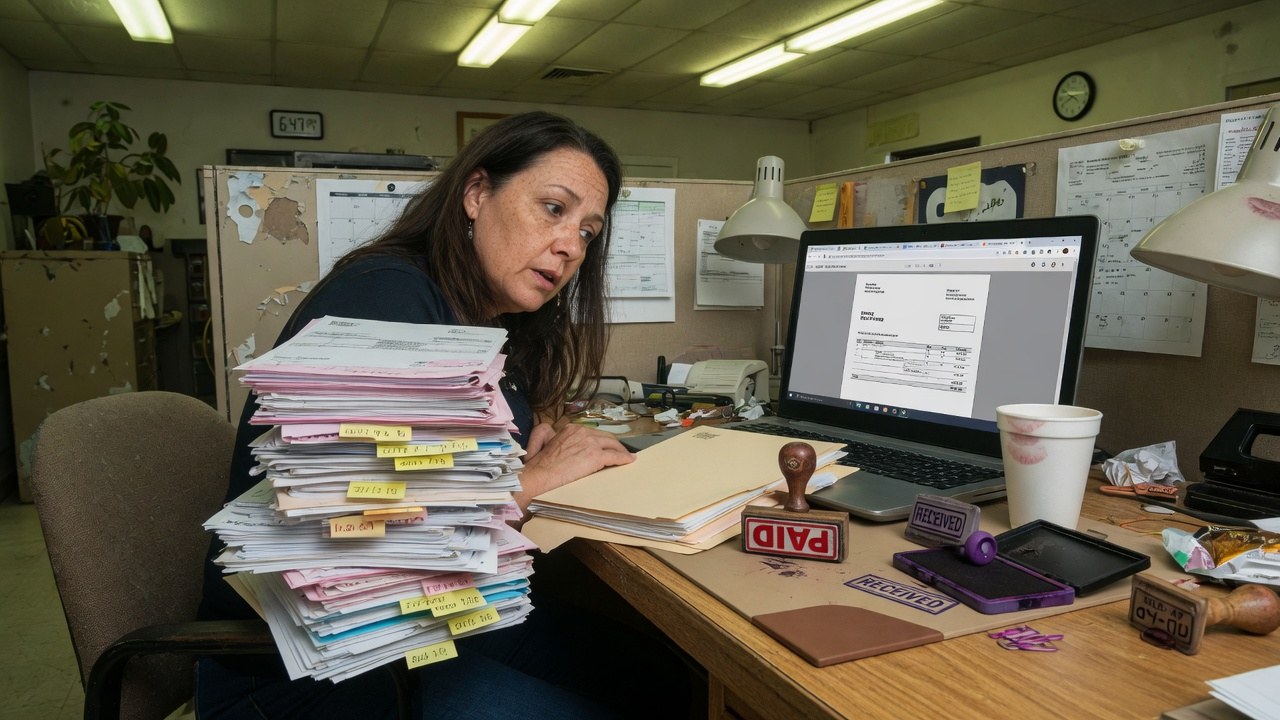
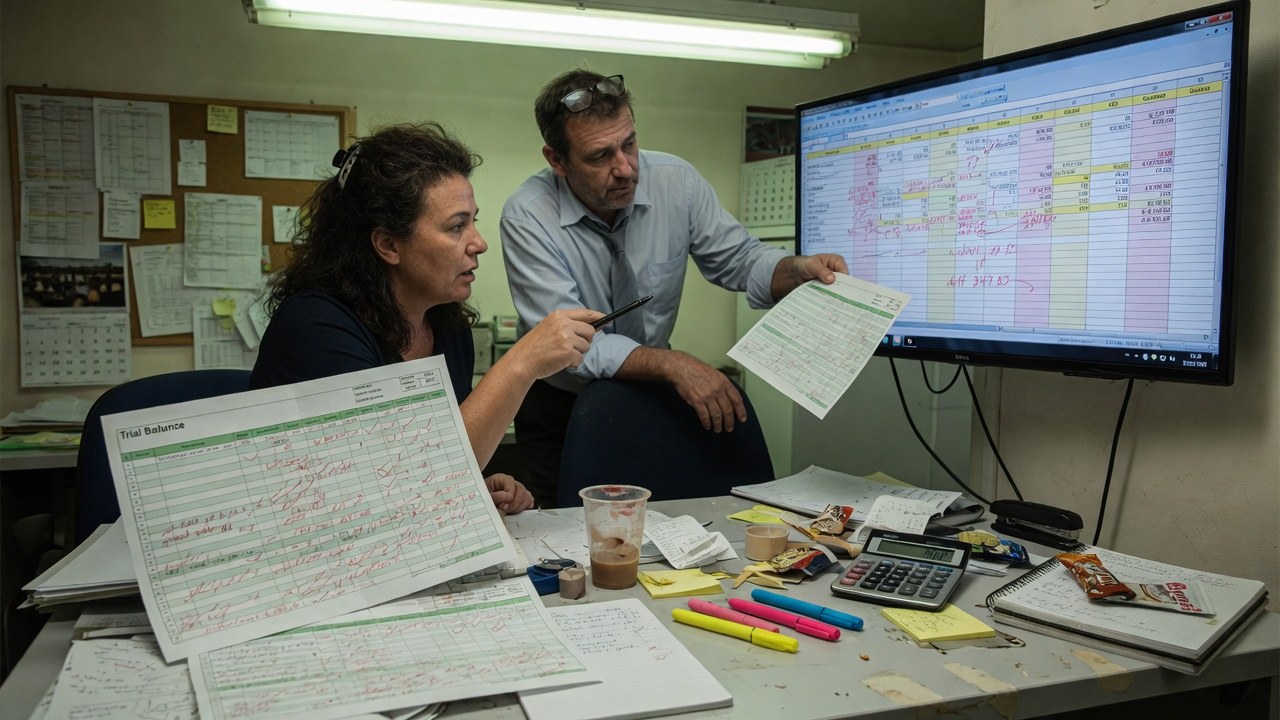
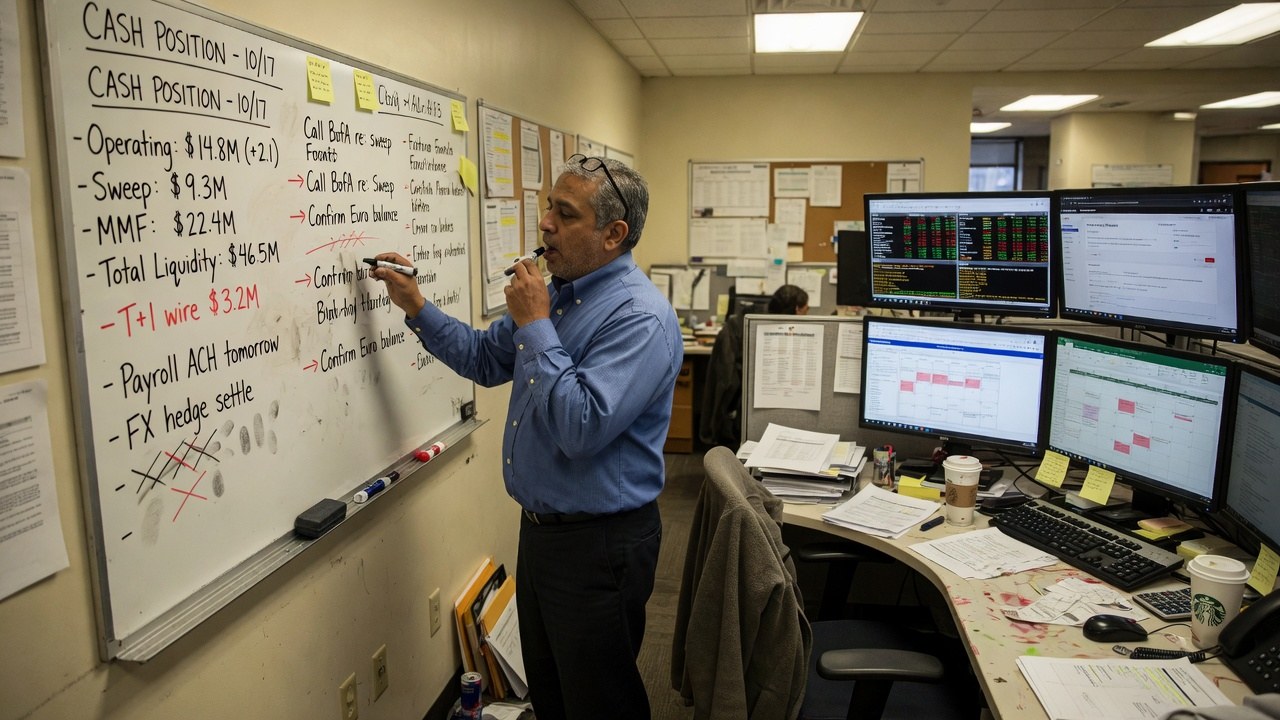
Roles, not references. We have no named customers yet, so nobody in these photographs is quoted, credited or claimed as one.
AP lead
Works the bills register and the duplicate board before every run. The $766K question is theirs to answer before the money moves.
41 pairs · $766K at risk
The approver
Clears the 103 bills waiting on approval, $1.66M blocked from the pay run, with the GL coding already suggested and explained.
103 bills · $1.66M waiting
Cash manager
Decides whether the 25 early-pay takes fit this week's cash. The simulator has already done the $620K arithmetic.
25 takes · $8.5K save
The shape of it
What the demo workspace actually looks like.
Every figure below is legible in the captures above. Nothing here is a projection of your estate. It is the state of the demo data.
$766Kduplicate risk41 open pairs · 3 high-confidence
AP aging, open $4.76Mby bucket · $K · from the overview capture
Current$1.41M
1 to 30 days$1.43M
31 to 60 days$1.46M
61 to 90 days$467K
90+ days$0
Bills handled automatically41 touchless of 320 in the workspace
Auto-coded + approved · 41 · $308K
Touched by a person · 279
Pay-on-time healthprinted on the overview
70
On time · 70
42 drafts · 103 pending approval
How it runs
A bill's life, in the order it actually happens.
01
Code
Bills arrive and most get a GL suggestion with a confidence and a reason; 12% never need a person at all, and every automated call carries an undo.
02
Approve
What needs a person queues for one: 103 bills worth $1.66M are waiting right now, and approval SLA lagging is itself a priced alert.
03
Decide
Discount windows are ranked by saving against a cash cap: take, skip or let expire. Duplicate pairs are resolved before the run, not after the second payment.
04
Pay
Paid MTD sits on the overview at $140K against the weekly paid-vs-billed pace, with bank-detail changes on 5 vendors flagged before money moves.
One record
The bill is one record across the estate.
These captures come from one demo workspace, Northline Systems, so the vendors and amounts here are the same ones the rest of the finance apps carry.
Finding this out on the third call is worse for you than reading it here, and worse for us.
Payables is not generally available. What opens today is the live build running on demo data. The 320 bills and their vendors are the demo book, not your supplier base.
We have no named customers to show you, so this page shows none. Northline Systems in the captures is the software's demo workspace, not a reference.
Touchless coding shows its GL suggestion, confidence and reason on every row, but we are not claiming a specific automation rate for your book. 12% is the demo's, and the screen says so.
The duplicate detector works from amount, vendor and PO signals as shown; we are not claiming it catches every scheme, only that it caught these 41 pairs.
No audit or compliance certification has been issued for Payables. What we can evidence about hosting, encryption and access is on the security page.
Yes. Every screenshot is a capture of the running build and you can open the same build at /app/payables. It runs on demo data.
How does touchless coding decide?
Visibly. Every auto-coded row prints its GL suggestion with a confidence score and the reason: vendor history, PO referenced, invoice number captured, or under the $5K threshold. Every decision has an undo button next to it.
How are early-pay takes ranked?
By saving, against a cash cap. The board shows face value, discount saving, days left and terms per bill; the simulator runs the same queue against $620K of cash and lands at $8.9K across 37 takes under cap.
What does the duplicate check look at?
Multiple signals: the screen names near-identical amounts and shared POs on the flagged pairs. 48 pairs were scanned, 41 are open, and the three high-confidence ones carry $766K of risk if both sides were paid.
Is Payables audited or certified?
No certification has been issued. What we can evidence about hosting, encryption, tenant isolation and production access is written up on the security page.
The pay run is queued. Go and look at it.
Live build, demo data, no card. Then ask how your team would find 41 duplicate pairs.