 CEDX
CEDX





Partner path
System integrators
Complex multi-product estates: identity, data, security, and custom extensions on the CEDX platform.
Scope
What you deliver
- Platform and identity design across the estate
- Custom apps on Builder, API, and Functions
- Data migrations, warehouse wiring, and analytics
- Security, compliance, and operating model design
Best fit
SIs with platform engineering depth and multi-year estate programs, not single-app installers only.
Economics shape
How value shows up
- Architecture and delivery programs
- Extension IP you can productize on Marketplace
- Joint pursuits on enterprise RFPs
Enablement
How we back you
- Architecture labs quarterly
- Early access notes at Premier
- Named SE collaboration model
Ideal client
Who this path serves best
SIs with platform engineering depth and multi-year estate programs, not single-app installers only.
First 90 days
Portal onboarding, first enablement, first registered or delivered opportunity.
Required capabilities
Practitioners who will live in the product, not only slide decks.
Governance
Named partner manager on your side; tier review annually.
Sample scopes
Engagement packages customers buy from you
Foundation
Single-motion pilot (e.g. CRM or Desk) with data cutover and training.
Expansion
Second product family + integrations on the estate bus.
Estate program
Multi-quarter architecture, identity, and operating model.
Capabilities matrix
What good looks like on this path
| Capability | Why it matters | Evidence we look for |
|---|---|---|
| Practitioners in-product | Customers feel delivery quality Friday | Named consultants / SEs who use the apps |
| Methodology | Pilots need written success metrics | Sample SOW or playbook excerpt |
| Industry focus | Faster time-to-value | Two reference-shaped engagements |
| Partner operations | Deal reg and portal hygiene | Owner for CEDX relationship |
First year
Milestones partners usually hit
These are patterns, not guarantees. Tier review looks at evidence, not calendar alone.
Q1
Onboard, enablement, first demo-ready motion on the live product.
Q2
First registered or delivered opportunity with clean portal hygiene.
Q3
Second product family or second region without inventing a second stack.
Q4
Tier review with delivery evidence and customer outcome notes.
Ideal client
Who this path serves
This path fits buyers who need implementation quality and multi-product coherence, not only a license transaction with no operator ownership. Ideal clients name a sponsor, operators who own the queue, and a retire list for systems and spreadsheets that must die for the pilot to count.
You should staff practitioners who open the live apps weekly rather than pure project managers who never touch the product. If your bench cannot live in the software, pair with a delivery firm or choose a different motion.
Industry focus beats brochure globalism: two deep verticals outperform twenty shallow logos on a capability slide. Region truth is where you can put a person, not a list of countries marketing prefers.
Compliance-heavy buyers need security pack fluency early so co-sell SE time is not burned on questionnaire basics. Sample packages include Foundation single-motion pilots, Expansion second-product waves, and Estate multi-quarter architecture programs.
Capabilities
What review looks for
Named practitioners in-product, written methodology with pilot metrics, industry proof, and a partner operations owner for portal hygiene are the baseline. Evidence beats adjectives; sample SOW excerpts beat capability adjectives without artifacts.
Q1 onboard and demo-ready motion; Q2 first registered or delivered opportunity; Q3 second family or region; Q4 tier review with outcomes. These are patterns used in joint planning, not contractual guarantees of deal flow.
Economics combine registered deals, services retainers, expansions on one estate, and tier incentives with path SPIFs on top of the core matrix. Model this with finance before promising Premier internally based on optimism alone.
Risk to avoid: selling a deck that does not match the live product page the customer can open tonight. Misalignment becomes an implementation incident, not a marketing footnote after signature.
Engagement packages
What customers buy from you
Foundation lands one motion with cutover, training, and hypercare exit criteria written before config starts. Success metrics are three numbers reviewed weekly until the Friday number is trusted without a side spreadsheet.
Expansion adds a second product family on the estate bus without a second identity plane or a second customer graph. Integration work prefers events and entitlements over nightly CSV reconciliation jobs.
Estate programs cover multi-quarter architecture, identity lifecycle, operating model, and wave plans with joint governance. CEDX SE time concentrates here when architecture risk is real and the opportunity is registered cleanly.
Managed services retainers keep configuration healthy after hypercare when the customer does not want a permanent internal admin bench. Define RACI early so Support tickets route to the right owner instead of bouncing between partner and platform.
Path operations
How you run the partnership day to day
Keep deal registration accurate and current; stale stages poison protection windows and partner reviews. Use portal kits that track live builds; do not maintain a private screenshot graveyard.
Send practitioners to enablement weeks and labs; practice leads own methodology and tier evidence. Channel managers on distributor paths own reseller recruitment quality, not only count.
When customers ask how the program works, send tiers, apply, directory, and resources pages rather than inventing verbal policy. When they need delivery help finding you, the directory intro path includes context both sides can use.
Escalate product defects with estate context to Support; escalate co-sell and enablement to partner success by tier queue. Do not open five parallel threads that fragment ownership on a severity incident.
Staffing model
Who you put on customer work
Name practitioners who will live in the product weekly, not only engagement managers who live in decks. Customers feel the difference in the first training session and in the first hypercare weekend.
For multi-product estates, staff someone who understands identity and entitlements, not only the first product family UI. Identity mistakes cascade across every subsequent product.
Keep a bench plan for hypercare so the person who configured the system is not on a different continent without backup when severity hits. Single-threaded delivery is a customer risk you should disclose.
Train new practitioners on public Academy tracks before they join a billable pilot mid-flight. Mid-flight onboarding without curriculum is how quality dips and reviews notice.
Record delivery evidence: metrics moved, systems retired, customer outcome notes for tier progression. If it is not written, it did not happen at review time.
Deal registration discipline
Protect the pipeline you claim
Register with products, stage, close date, and constraints; incomplete registrations create conflict noise and slow confirmations. Your future self wants clean data when protection windows matter.
Update stages when reality changes; optimistic stale stages are how partners lose credibility in co-sell reviews. Honesty beats vanity pipeline in this program by design.
Do not register every logo you ever emailed; spam registrations are cleaned and harm progression evidence. Quality of registration is a signal of partner operations maturity.
When CEDX flags a conflict, respond with facts quickly; silence looks like a bad-faith grab. Conflicts resolved with evidence preserve relationships; conflicts resolved with volume of email do not.
Multi-product expansions of an existing registered deal should update the registration rather than inventing a parallel ghost opportunity. Ghost opportunities destroy forecasting for everyone.
Customer communication standards
Same truth as the website
Send live product URLs rather than outdated PDFs; customers will open the site anyway and compare. Mismatches become trust incidents before you have configured anything.
Use illustrative scenario language correctly; do not present composites as audited named case studies. Overclaiming is how legal and customer success both get involved for the wrong reasons.
Write SOWs with success metrics and retire lists; software delivery without outcome definition becomes endless change orders or silent failure. Either outcome damages the CEDX brand and your tier review.
When you need SE help, bring a registered opportunity and a crisp architecture question; SE time is not a free discovery tour for unqualified logos. Respect the co-sell definition and you will get better SE engagement.
After go-live, ask customers whether they will approve a public story; when they will, loop partner success early. Approved stories help the whole channel and your Premier case.
Progression planning
From Registered to Premier without mythology
Registered is the start: portal, kits, flagship demos, self-serve Academy. Treat it as an operating system to learn, not a waiting room for magic deal flow.
Advanced requires delivery proof, certified practitioners, and clean portal hygiene. Plan those artifacts from month one. Retroactive evidence collection before review is painful and often incomplete.
Premier requires multi-deal track record, customer outcomes, and a joint business plan with named investments on both sides. If you want Premier, draft the joint plan outline early and iterate with partner success.
Annual review can step benefits down; build quality systems so review is boring. Boring reviews are a success metric for mature partners.
If you are declined for progression, take the written reasons seriously and re-apply when gaps close; arguing without evidence wastes a year. The program optimizes for delivery quality because customers feel it every Friday.
Path economics
How this path makes money without theatre
Complex multi-product estates: identity, data, security, and custom extensions on the CEDX platform. Value shows up in delivery retainers, registered deals, multi-product expansions, and, for distributors, regional enablement density. Margin and incentives follow the tier table; path SPIFs and labs sit on top.
Customers evaluate the same live software you implement. That removes a class of bait-and-switch risk and keeps demos honest. If your firm only sells decks, this path will not fit.
System integrators
Sell and deliver the live estate
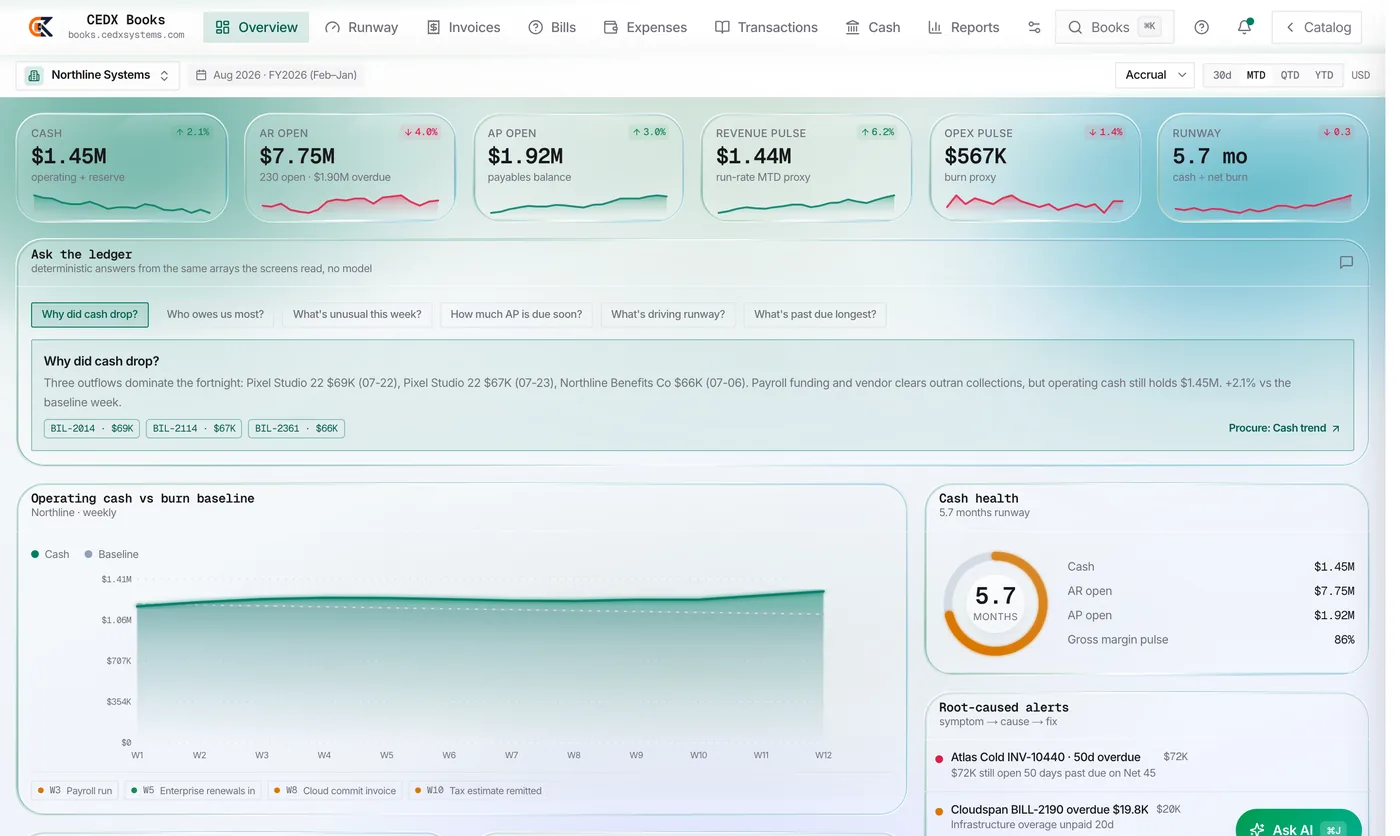
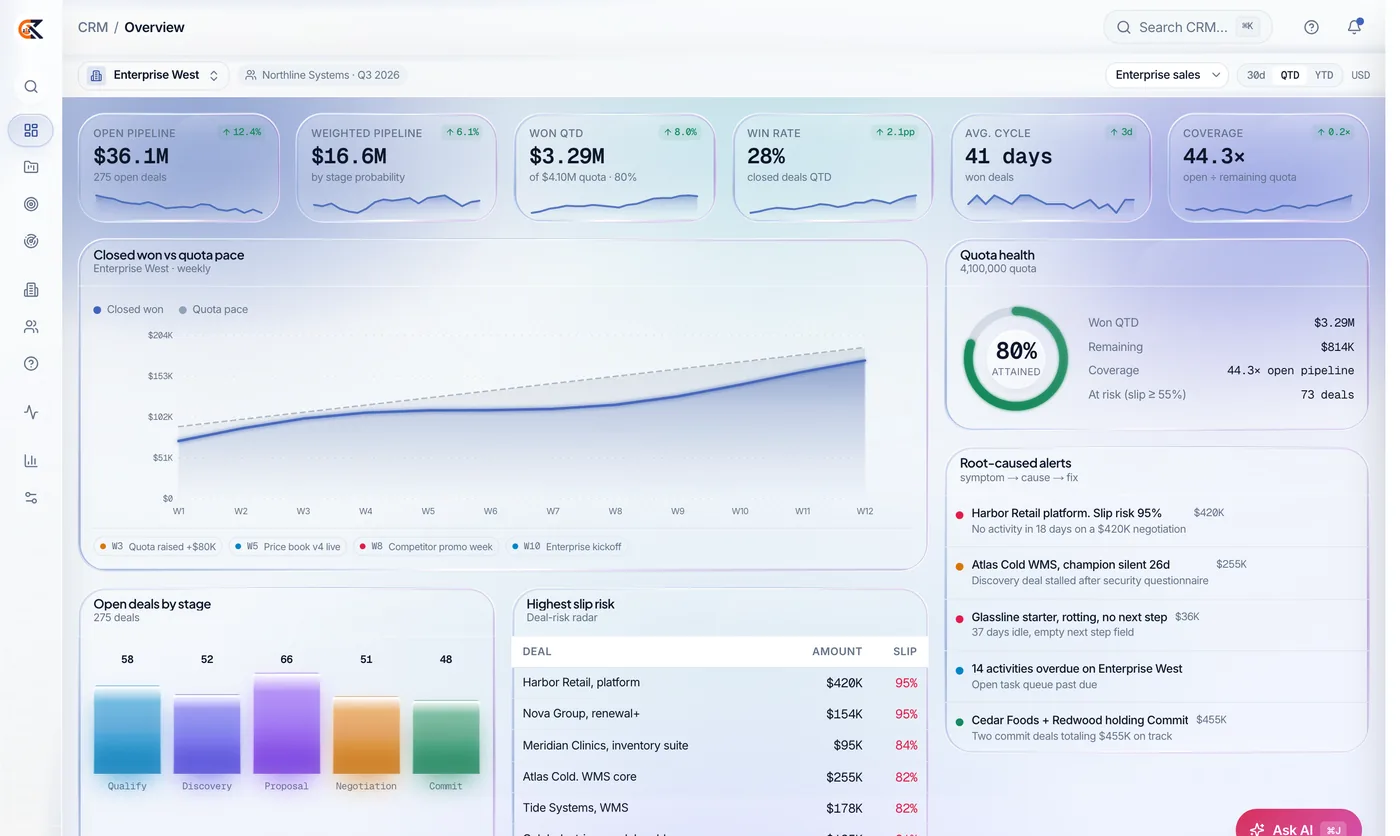
Every product page embeds running software. Your demos and implementations use the same build.
Related program pages
Tiers, apply, directory, resources
FAQ
System integrators: details
Do you support private deployments?
Packaging varies. Engage enterprise sales for constrained environments.
Can we list extensions?
Yes via the Marketplace ISV path after security review.
Join as System integrators
Application takes about two minutes. Partner desk follows up with portal access or clarifying questions.