Email, push, SMS, in-app and webhook from one console. The demo fleet's sample is blunt about it: 380 deliveries, 104 delivered, 116 failed hard or soft, 103 still in flight, and 31 recipients past the fatigue line, whom the system will not keep pushing.
The status that earns trust is not Delivered. It is Suppressed: the message the system chose not to send because the recipient has had enough. It sits in the table like any other row.
notify.cedxsystems.com, live build
Runs on demo data. Northline Systems in the captures is the software's demo workspace, not a customer.
380 deliveries in the sample log104 delivered · 116 failed · 103 in flight
31 fatigue flagsrecipients with a fatigue score of 70 or more
What it is
Messaging infrastructure that shows its misses.
Every delivery, explained
The delivery log carries channel, status, campaign, attempt number and send date on every row, including the failures. Bounced, Suppressed and Failed are statuses with counts on the tabs, not exceptions buried in a log export.
380 rows: All, In flight, Delivered, Failed, Clicked tabs
Attempt counts up to 4 on retried rows
Channel filter chips for all five channels
notify: screen-2
Campaigns with AI where it helps
Sixty-four campaigns, 36 active, and 30 marked AI-optimized: timing, channel or variant chosen by the system and labelled as such on the row. Sent, delivered and failed are columns per campaign, so the busiest webhook campaign's 3,800 failures sit next to its 78,000 sends.
AI timing · AI channel · AI variant chips on rows
782,413 sends across the active set
Paused and Completed are visible states, not deletions
notify: screen-3
Templates, versioned like code
Forty-eight templates, 33 live, each with channel, category, version, 30-day sends, CTR and failure rate. A transactional SMS at version 5 with 31,000 sends and 1.1% failure is a different object from a marketing push at 4.2%, and both rows say so.
Not a mockup and not a concept deck. This is what opens at /app/notify.
notify.cedxsystems.com
01 Overview
Fleet health with the fixes ranked
The health ring reads 38: delivered 104, failed or bounced 116, in flight 103, fatigue 31. The Do this next panel ranks the response: run the failure-risk board (102 rows at 55% or higher fail probability), throttle the fatigue cohort, fail over the degraded push pool.
Lowest channel health named: a push pool at 39
Sent versus failed, weekly, on one chart
Quiet hours and fatigue-cap events annotated on the timeline
02 Deliveries
The log, attempt by attempt
Four hundred eighty-character truth: a webhook delivery clicked on attempt one, an in-app message bounced on attempt four, a survey push suppressed. Recipient, campaign and status per row, searchable.
Failed = 116 hard + soft, counted on the card
Clicked is its own tab: 63 rows
CSV of the filtered view
03 Campaigns
The fleet, send by send
Sixty-four campaigns with status, AI flags, channels, sent, delivered and failed. The difference between an active churn-save at 2,073 failures and a completed re-engagement at 722 is the operating picture this table exists to give.
36 campaigns actively sending
30 with AI optimization of some kind
Active · Scheduled · Paused · Draft · Completed chips
04 Templates
The content layer, under version control
Every template with its version, channel, category and 30-day performance. Failure rates run 0.2% to 4.8% across the live set. The 1.7% average on the header is computed from rows you can inspect.
48 templates, 9 in draft and not shipping
CTR from 4.1% to 41% across channels
Transactional separated from marketing by category
Who runs it
Three roles keep the fleet deliverable.
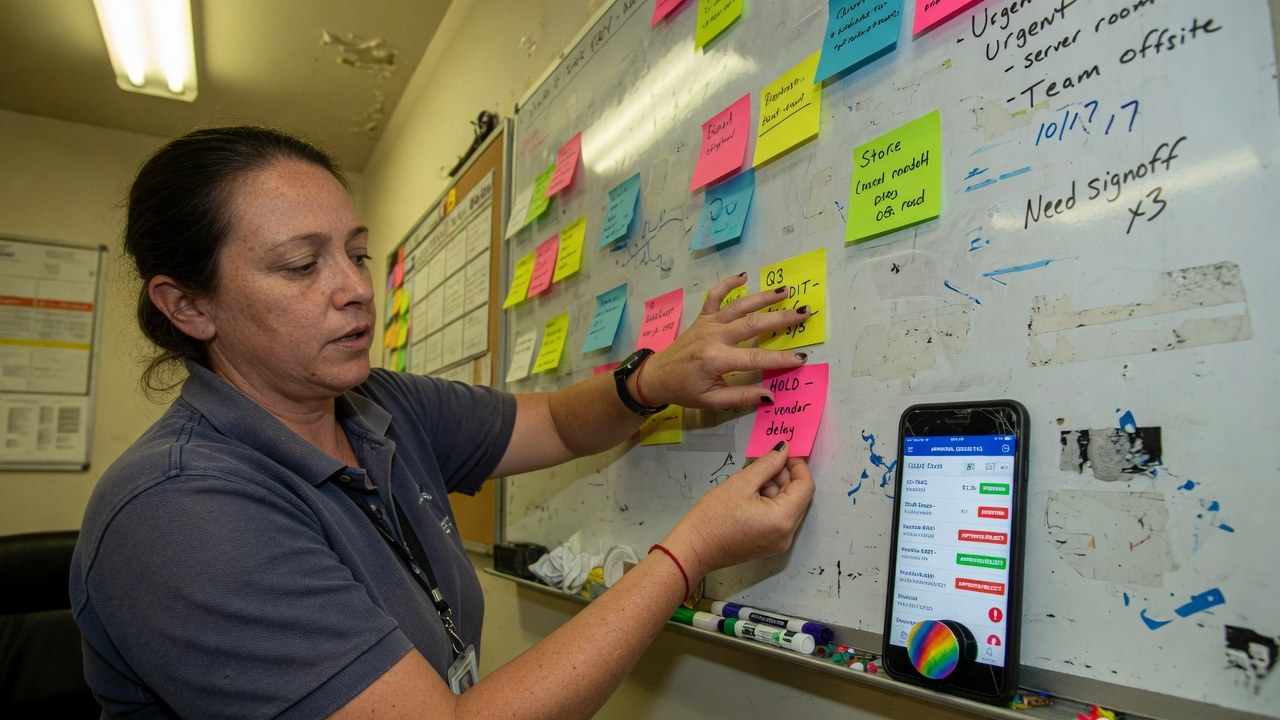
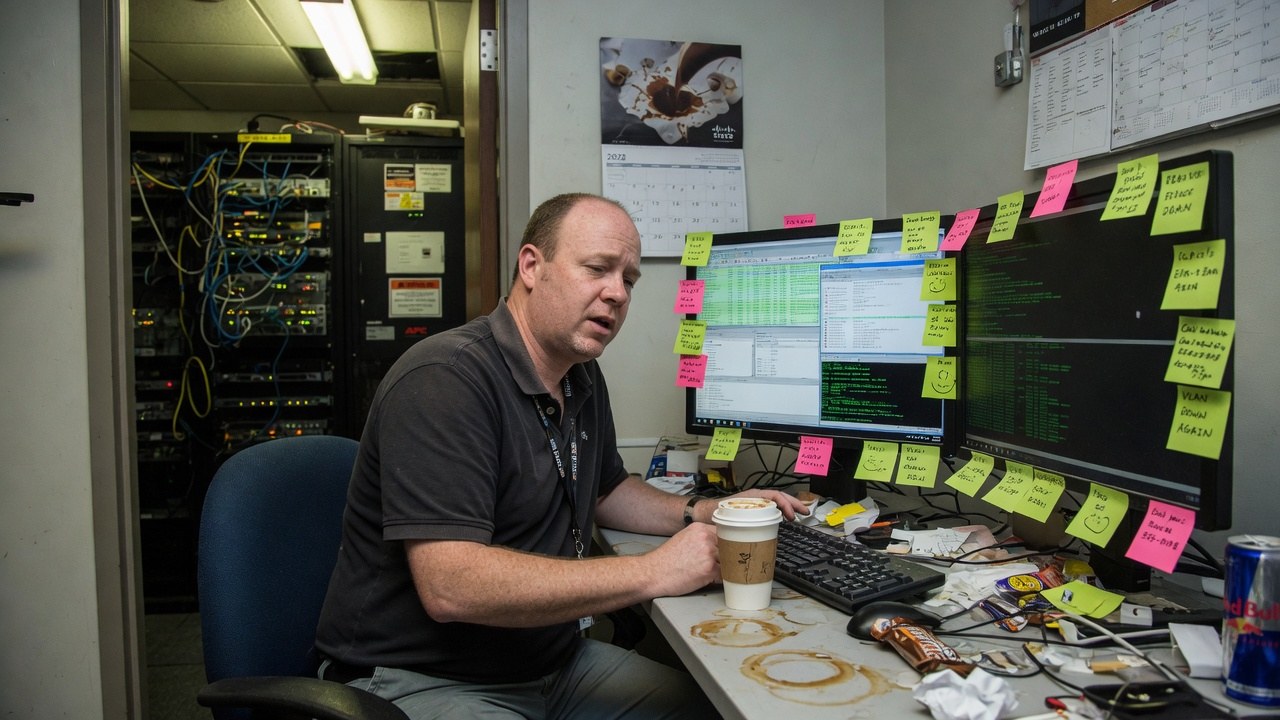
Roles, not references. We have no named customers yet, so nobody in these photographs is quoted, credited or claimed as one.
On-call engineering
Owns channel health: the push pool at 39, the SMS route at 42, and the failover the console recommends before the failure rate becomes a complaint.
failure-risk board · 102
Lifecycle marketing
Owns the 64 campaigns and the AI flags on 30 of them, and respects the fatigue cohort, because the throttle is the product working, not failing.
fatigue cohort · 31
Platform operations
Owns templates and versions: 48 in the library, 9 drafts not shipping, and the failure rate on every live version.
avg fail · 1.7%
The shape of it
What the demo workspace actually looks like.
Every figure below is legible in the captures above. Nothing here is a projection of your estate. It is the state of the demo data.
380deliveries in the samplesample log, labelled
116failed, hard and softagainst 104 delivered
60.6%click-through on clicks tracked63 clicked
782,413sends across active campaignssum, on screen
In-flight deliveries by channel103 in flight, legible on the Overview
Webhook93
Push90
SMS71
In-app68
Email58
Sample delivery rate104 delivered of 380 sampled
Delivered · 104
Failed 116 · in flight 103 · rest suppressed or queued
Fatigue watchrecipients scoring 70 or more
31
Fatigued · 31 profiles throttled
Quiet hours and Friday fatigue cap active
How it runs
A message's life, in the order it actually happens.
01
Compose
A template ships at a version (v5, not a mystery edit) with its channel and category declared.
02
Send
The campaign delivers across channels, attempts counted per row, failures named as they happen.
03
Hold
Fatigue and quiet hours intervene: 31 recipients are past the line, and Suppressed rows are the system keeping its word.
04
Learn
CTR, failure and fatigue feed the next send: 30 campaigns now run AI-chosen timing, channel or variant, labelled on the row.
One record
The voice of the estate, with a volume knob.
Notify is how the other products reach people, and the fatigue rules are how the estate avoids shouting.
Finding this out on the third call is worse for you than reading it here, and worse for us.
Notify is not generally available. What opens today is the live build running on demo data: Northline Systems in the captures is the software's demo workspace, not a customer.
We have no named customers to show you, so this page shows none. The recipient names in the demo captures are fictional rows in demo data.
The 380-row sample is labelled a sample on the screen itself. Deliverability rates for your sending domains and providers are not something these captures evidence.
Channel providers in the demo are pools, not named vendor integrations. Which delivery providers we integrate with is a pilot conversation, not a page claim.
The AI optimization shown is scoped to timing, channel and variant, labelled per campaign. Content generation is not evidenced by these captures and is not claimed.
No audit or compliance certification has been issued for Notify. What we can evidence about hosting, encryption and access is on the security page.
Yes. Every screenshot is a capture of the running build and you can open the same build at /app/notify. It runs on demo data: the sample log is labelled a sample on the screen itself.
What is a fatigue flag?
A score per recipient; at 70 or above the system throttles. Thirty-one profiles are past the line in the demo fleet, quiet hours are annotated on the timeline, and messages held back this way appear in the log as Suppressed: visible, not silently dropped.
What does the failure-risk board do?
Scores deliveries and campaigns by fail probability (102 rows at 55% or higher in the demo), so degraded channels are found before recipients find them. The Overview ranks running that board as the top recommended action.
How are channels compared?
Each channel pool carries a health score and failure rate: the weakest push pool reads 39 at 4.5% failure, the best email pool 61 at 1.7%. Failover is a recommended action on the same screen, not a console command you have to know.
Where does AI fit?
In three labelled places: timing, channel and variant selection, chipped on the campaign rows that use them, 30 of 64 in the demo. Everything a template says is still a versioned template a person shipped.
Is Notify audited or certified?
No certification has been issued. What we can evidence about hosting, encryption, tenant isolation and production access is written up on the security page.
The console is running. Go and look at it.
Live build, demo data, no card. Then ask what your own messaging stack does about a recipient who has had enough.